
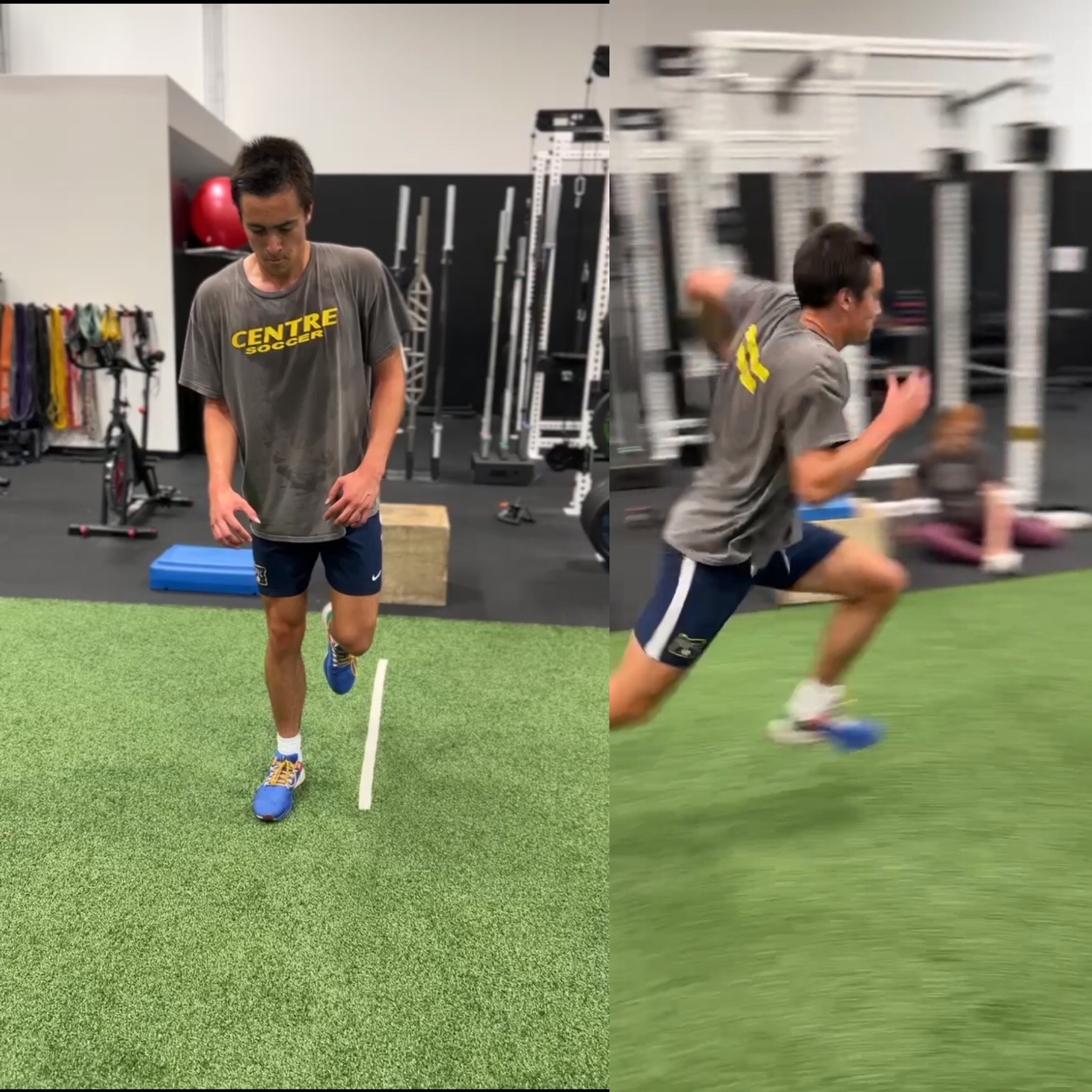
Why Strength Reference Values Matter After ACL Surgery: Setting the Bar for Safe Return to Sport

By
Dr. Mike Makher
Discover how quadriceps and hamstring strength benchmarks help clinicians assess rehab progress and guide return-to-sport decisions after ACL reconstruction. Based on clinical research, not assumptions.
Disclaimer: This article is for educational purposes only. It should not be seen as medical advice. Every case and person is unique, so treatment and prevention should be customized by a licensed professional.
Introduction: Strength Testing Is More Than Pass/Fail
If you’re an athlete recovering from ACL reconstruction—or a parent supporting one—you’ve likely heard phrases like “90% limb symmetry” or “you need more quad strength.” But what does that really mean?
The truth is, strength doesn’t exist in a vacuum. To interpret recovery correctly, clinicians need reference values—data from healthy athletes in similar sports. That’s what allows us to answer the real questions:
What does normal strength look like in a healthy athlete?
Where should an athlete be 6, 9, or 12 months after surgery?
How far off is the recovering leg from true readiness?
📊 That’s where strength test reference values come in—and why they’re essential.
What Are Strength Reference Values?
Reference values are benchmark strength measurements gathered from large samples of healthy, uninjured athletes in pivoting sports like soccer, basketball, football, and handball. They serve two key purposes in ACL rehab:
To define what “normal” looks like
To track how an injured athlete is progressing toward that standard
Most commonly, these values are based on:
Isokinetic peak torque (aka the amount of force relative to your bodyweight you are producing through the full arc of motion) for quadriceps and hamstrings
Measured at 60°/s or 180°/s
Normalized to body weight (Nm/kg)
📚 For example: In elite male soccer players, normal quadriceps strength tends to be at least 3.0 Nm/kg at 60°/s, with hamstrings around 1.5–2.0 Nm/kg.
Quadriceps and Hamstrings: The Recovery Cornerstones
Both the quadriceps and hamstrings are critical for knee stability and performance after ACL reconstruction.
🔩 Quadriceps help absorb landing forces and decelerate safely
🧵 Hamstrings act as dynamic restraints, protecting the ACL graft from shear stress during cutting or pivoting
🔍 In rehab, we often talk about Limb Symmetry Index (LSI)—basically comparing the surgical leg to the non-surgical one. But symmetry isn’t enough unless both legs are strong relative to normative values.
🧠 Example:
If both legs are weak but symmetrical (e.g., 1.4 Nm/kg quad strength), the athlete may “pass” symmetry thresholds but still be underpowered for the demands of sport.
What the Research Says
According to the 2017 Grindem et al. study and related clinical trials:
Athletes who returned to sport without meeting quadriceps strength thresholds (≥90% LSI) had significantly higher re-injury rates
But reaching symmetry alone isn’t the goal—values must also align with age- and sport-specific norms
This is why the most advanced clinics don’t just ask “Are your legs equally strong?”
They ask:
“Is your strength where it needs to be for your sport?”
Using Strength Norms in ACL Rehab Progressions
✅ At 3 months post-op, most athletes are still well below normative values
✅ By 6–9 months, a healthy progression shows quadriceps strength at or nearing at least 2.0–2.5 Nm/kg (varies by athlete)
✅ At 9–12 months, athletes should achieve at least ≥90% LSI if their non dominant knee was injured (≥100% LSI if it was the dominant knee injured) and meet population-based strength norms for their age, sex, and sport
These norms help guide:
Clearance for hop and change of direction testing
Readiness for field or court drills
Decision-making for high-risk return-to-sport activities
The Risk of Ignoring Reference Values
Skipping strength benchmarks—or relying only on subjective readiness—leaves athletes vulnerable. Research shows that:
Athletes who return before meeting quad strength targets are up to 7x more likely to re-tear their ACL
Those with poor hamstring strength may overload the ACL graft under pivoting conditions
“Symmetrical but weak” athletes often have hidden compensations that are missed if we don’t look at absolute values
How We Apply These Standards at Pain & Performance Coach LLC
In our Hillsboro clinic, we use:
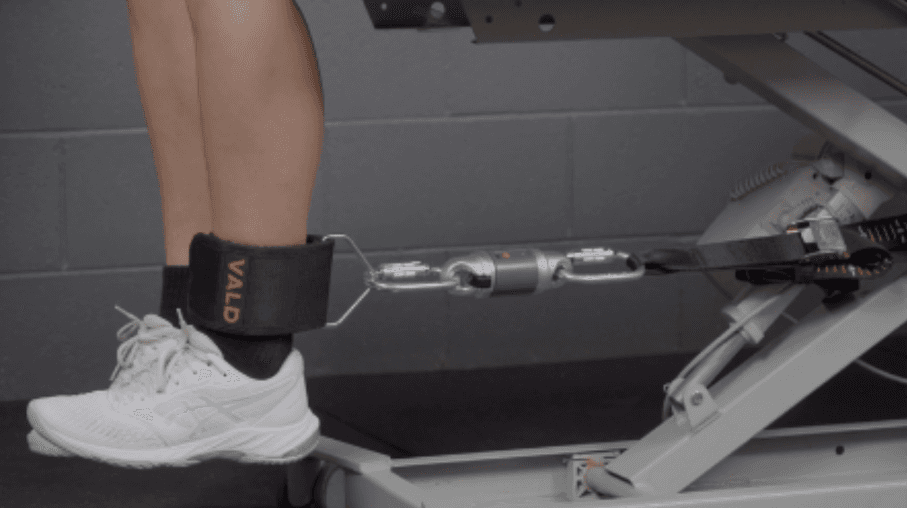
the Dynamo Max and Beyond Power Voltra I for accessible strength tracking
Refer you for testing sessions at partner clinics that have the Humac or Biodex isokinetic machines at months 3, 6, and 9+ to verify
Force plates, change of direction tests, and jumping tests to integrate strength into movement
Evidence-based population norms for interpreting results—not just comparing one leg to the other
Whether you’re a high school soccer player, a college basketball athlete, or an adult weekend warrior, your strength should match the demands of your sport—not just the other leg.
Key Takeaways
✅ Quadriceps and hamstring strength reference values are critical tools for evaluating ACL rehab progress
✅ Symmetry isn’t enough—you also need adequate absolute strength based on your sport and body size
✅ Clinicians use these values to make safe, personalized return-to-sport decisions
✅ Ignoring these benchmarks significantly increases the risk of re-injury
Don’t Miss Out
Join our newsletter to get latest research insights.
Discover how quadriceps and hamstring strength benchmarks help clinicians assess rehab progress and guide return-to-sport decisions after ACL reconstruction. Based on clinical research, not assumptions.
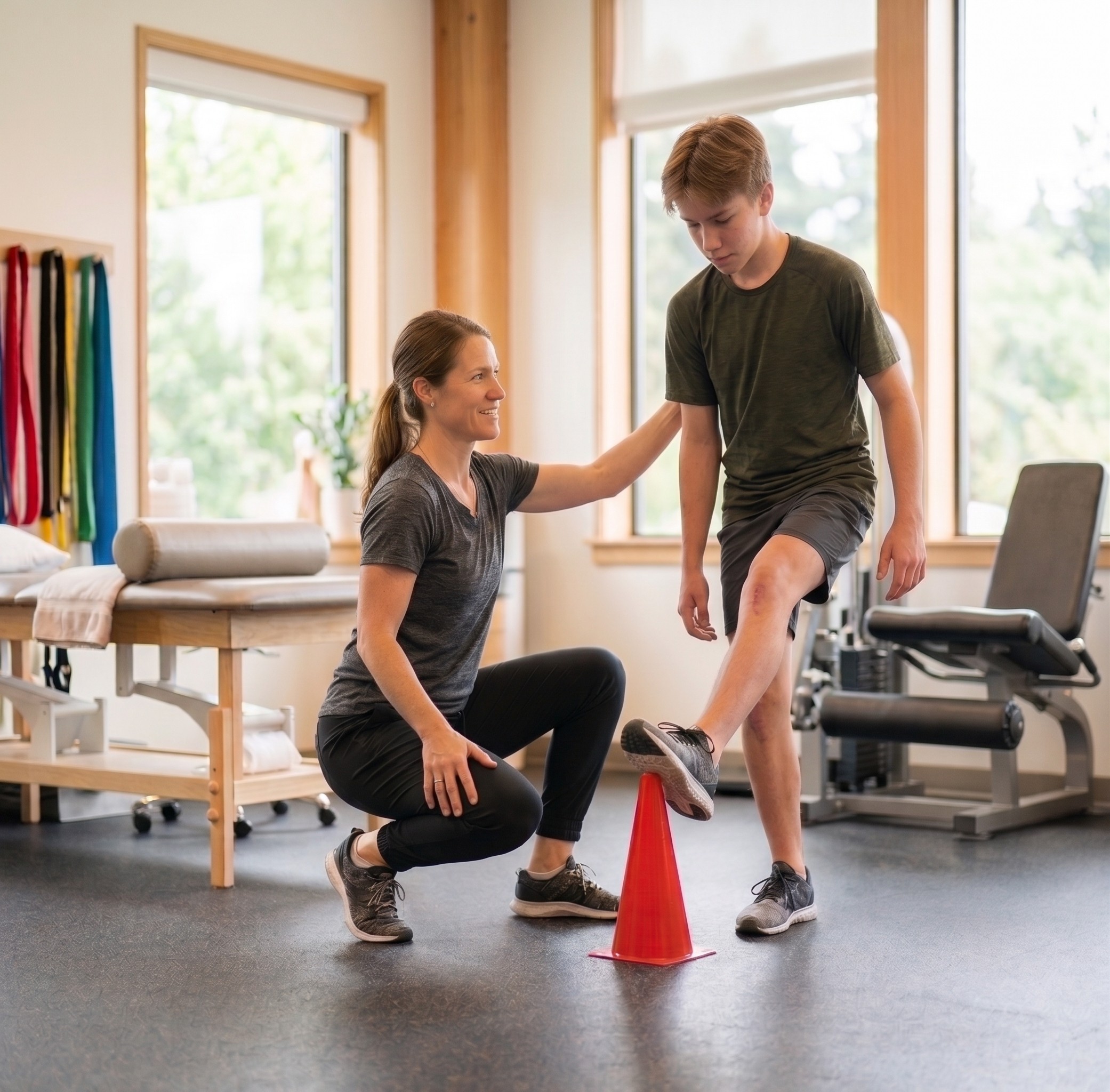
What New Knee Research Means for Patients in Hillsboro, Beaverton, Aloha, and Nearby Towns
Sep 6, 2026
By
Dr. Mike Makher

ACL Tear: Is Surgery Your Only Option, or Can Physical Therapy Alone Get You Back to Sport?
Aug 23, 2026
By
Dr. Mike Makher

ACL Recovery Guide for Hillsboro, OR
Aug 13, 2026
By
Dr. Mike Makher