Understanding Ankle Sprains in Hillsboro: Modern Treatment Beyond RICE Protocol
By
Dr. Mike Makher
Portland-area athletes: RICE therapy is outdated. Learn the modern PEACE & LOVE approach to ankle sprains from Hillsboro sports physical therapists. Get better faster.
Disclaimer: This article is for educational purposes only. It should not be seen as medical advice. Every case and person is unique, so treatment and prevention should be customized by a licensed professional.
How Common Are Ankle Sprains?
If you're an active resident of Hillsboro, Beaverton, or anywhere in the Portland metro area: chances are you've experienced, or will experience, an ankle sprain. This common injury affects athletes at Nike's campus, weekend warriors on the Fanno Creek Trail, and everyone in between.
The statistics are staggering: approximately 28,000 ankle injuries occur each day across the United States, with 2.15 sprains per 1,000 people annually. Here in Oregon's active communities, where outdoor recreation and sports participation run high, ankle sprains represent one of the most frequent reasons athletes and active individuals seek treatment from sports medicine providers.
Research shows that nearly 80% of people will experience an ankle sprain during their lifetime. For teenagers and young adults in Hillsboro's schools and recreational leagues (especially those in the 15-19 year old age group) the incidence spikes to 7.2 per 1,000 person-years. Whether you're playing basketball at the Tuality Community Park, competing in soccer leagues at Gordon Faber Recreation Complex, or simply navigating Portland's unpredictable weather conditions, understanding ankle sprains is essential for every active Pacific Northwesterner.
What Actually Happens When You Sprain Your Ankle?
Picture this common scenario: You're hiking the trails at Jackson Bottom Wetlands Preserve when your foot rolls unexpectedly on uneven terrain. That sudden inversion movement, your ankle rolling outward while your foot points downward, is the classic mechanism behind most ankle sprains.
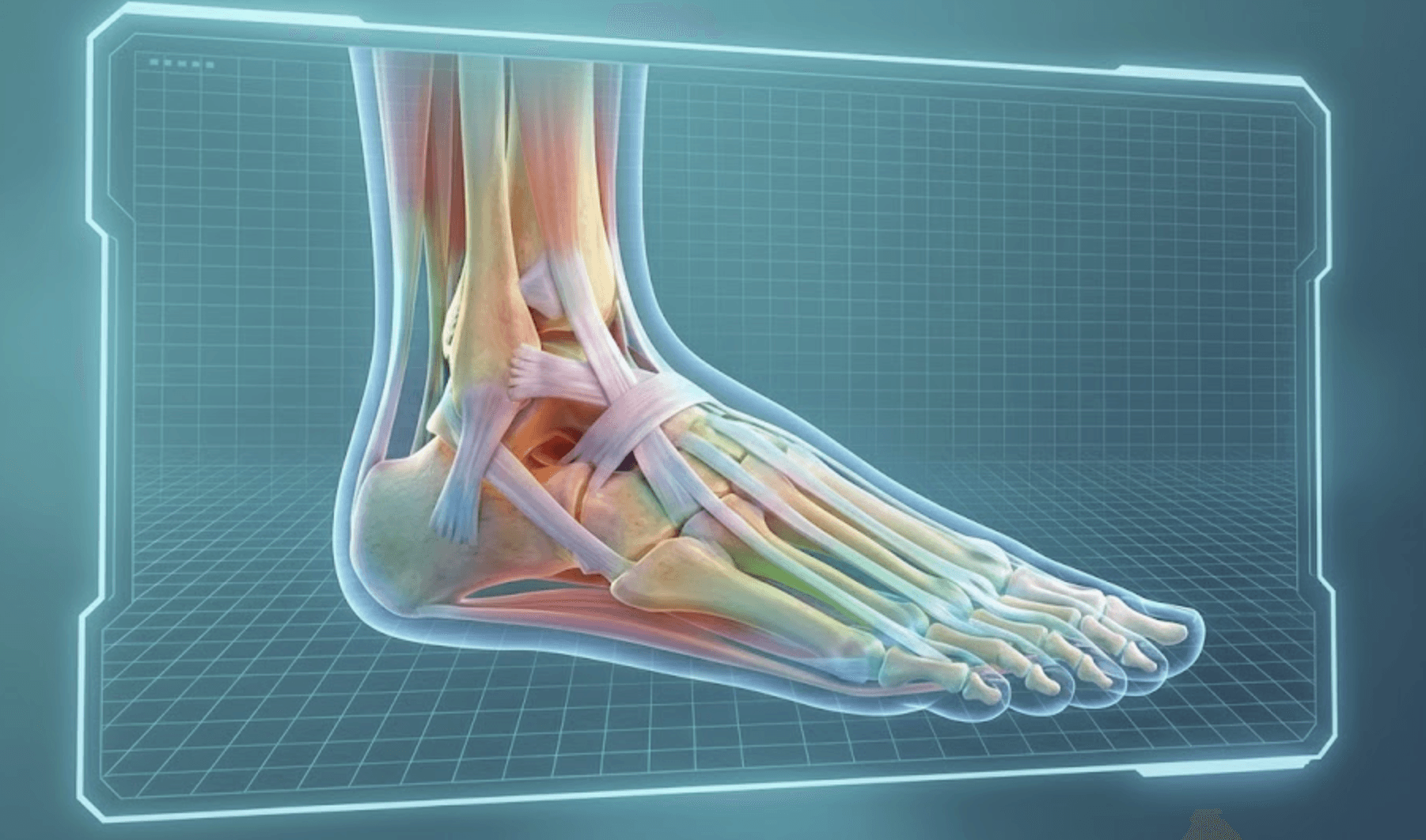
About 85% of ankle sprains affect the lateral ligament complex on the outside of your ankle. The primary structures injured are the anterior talofibular ligament (ATFL) and the calcaneofibular ligament (CFL). These ligaments act like stabilizing ropes for your ankle joint, and when they're stretched beyond their capacity, injury occurs.
Why Do Ankle Sprains Keep Happening?
If you've sprained your ankle before, you're not alone and unfortunately you're at higher risk of doing it again. Previous ankle injury stands as the single strongest predictor of future ankle sprains, which explains why proper treatment matters so much.
Additional risk factors affecting Hillsboro residents include:
Female athletes (particularly relevant for high school and club sports)
Increased body mass index
Weak peroneal muscles along the outside of your lower leg
Limited ankle dorsiflexion (ability to bring toes toward shin)
Poor balance and proprioception
Playing surfaces (from wet grass at Hillsboro Stadium to hardwood courts)
Sports involving cutting and jumping (basketball, soccer, volleyball)
How Do I Know If My Ankle Is Sprained? Signs Portland-Area Athletes Should Watch For
Whether you've just stepped wrong at the Westview High School track or twisted your ankle during a pickup game at Shute Park, recognizing the signs of an ankle sprain helps you get appropriate care quickly.
Common Symptoms Include:
Immediate sharp pain on the outside of your ankle
Rapid swelling that may appear within minutes to hours
Difficulty bearing weight or walking normally
Bruising or discoloration developing over 24-48 hours
Limited range of motion when trying to move your ankle
A feeling of instability, like your ankle might "give out"
When Should You Get an X-ray in Hillsboro?
Not every ankle sprain requires imaging, which is good news for managing healthcare costs. However, medical professionals in the Portland area use the evidence-based Ottawa Ankle Rules to determine when X-rays are truly necessary.
You should get radiographs at one of Hillsboro's urgent care facilities or emergency rooms when you have ankle pain AND either:
Bone tenderness along the back edge or tip of either ankle bone (malleolus), OR
Inability to bear weight and take four steps both immediately after injury and when evaluated
These guidelines are nearly 100% sensitive for detecting fractures while reducing unnecessary X-rays by 25-50%. In the process they help with saving time, money, and radiation exposure for Washington County residents.
The Truth About Ankle Sprain Recovery: What Hillsboro Athletes Need to Know
Here's where outdated advice has failed countless Oregon athletes. For decades, the mantra was simple: RICE (Rest, Ice, Compression, Elevation). Your doctor might tell you to ice that ankle, wrap it up, prop it up, and stay off it.
But here's what research now shows: That approach may actually be slowing down your recovery.
RICE Is Out: Welcome to PEACE & LOVE
Modern sports medicine has evolved beyond the RICE protocol. Contemporary evidence supports a new framework that better reflects how soft tissue actually heals. Leading researchers now advocate for PEACE & LOVE—an approach that respects the body's natural healing process while optimizing recovery.
Immediate Care: Let PEACE Guide Your First Days
When you first sprain your ankle on the Nike campus track or during a Hillsboro Hops game, the initial 1-3 days matter tremendously. Here's the modern approach:
P is for Protect
Unload or restrict movement for 1-3 days to minimize bleeding and prevent further damage to injured fibers. But here's the critical distinction from old advice: rest should be minimized because prolonged immobilization actually compromises tissue strength and quality. Pain signals should guide when you stop protecting the ankle—not an arbitrary timeline.
This represents a fundamental shift from the old "stay off it for two weeks" advice that left many Hillsboro athletes weaker and more prone to re-injury.
E is for Elevate
Elevate your injured limb higher than your heart to promote fluid drainage from the tissues. While the evidence isn't overwhelmingly strong, elevation shows minimal risk and potential benefit—particularly relevant during Portland's humid summers when swelling tends to be more pronounced.
A is for Avoid Anti-Inflammatories
This is where modern treatment diverges most dramatically from traditional advice. The inflammation occurring after your ankle sprain isn't your enemy—it's actually helping you heal.
Taking anti-inflammatory medications (NSAIDs like ibuprofen or naproxen) may provide short-term pain relief, but research suggests they can negatively affect long-term tissue healing, especially at higher doses. The various phases of inflammation help repair damaged soft tissues, and inhibiting this natural process may be counterproductive.
For Hillsboro athletes seeking pain management, options include:
Acetaminophen (Tylenol) for pain without affecting inflammation
Low-dose, short-term NSAIDs if absolutely necessary
Opioids should be avoided except in rare circumstances
What About Ice?
Here's another surprise: Despite widespread use across Portland-area sports medicine clinics, there's no high-quality evidence that icing actually helps heal soft-tissue injuries.
While ice can provide temporary pain relief (analgesia), research suggests it may actually disrupt the inflammation process, delay important cellular responses, and potentially lead to impaired tissue repair. Ice might interfere with angiogenesis (new blood vessel formation), slow the arrival of healing cells (neutrophils and macrophages), and increase the presence of immature muscle fibers.
For athletes in Hillsboro's competitive sports scene, this means reconsidering that ice bath after your ankle sprain.
C is for Compress
External compression using elastic bandages or specialized wraps helps limit swelling and tissue bleeding. Studies specifically examining ankle sprains show that compression reduces swelling and improves quality of life during recovery—good news for Washington County athletes trying to get back in the game.
E is for Educate
This final component of PEACE might be the most important for long-term success. You need to understand that an active approach to recovery beats passive treatments.
Passive modalities like electrical stimulation, ultrasound, or excessive manual therapy early after injury show insignificant effects compared to active rehabilitation. Worse, they may create a "fix me" mentality that leads to therapy-dependent behavior and poorer long-term outcomes.
For cost-conscious Hillsboro families, this is particularly relevant: better education about your injury and appropriate activity modification helps avoid unnecessary treatments, injections, or surgeries that drive up healthcare costs without improving outcomes.
After the First Few Days: Soft Tissues Need LOVE
Once you've made it through those critical first 72 hours, your ankle sprain recovery in Hillsboro shifts from damage control to active healing. This is where the LOVE framework takes over:
L is for Load
An active approach with movement and exercise benefits most musculoskeletal injuries. For Portland-area athletes, this means getting back to modified activities sooner than you might think.
Mechanical stress should be added early, with normal activities resumed as symptoms allow. Optimal loading—challenging your ankle without causing pain flare-ups—promotes repair, remodeling, and builds tissue tolerance through a process called mechanotransduction. Your ligaments, muscles, and tendons actually get stronger when appropriately stressed during healing.
For runners training for the Portland Marathon or basketball players at Hillsboro's recreation centers, this means strategic progression back to sport-specific movements—not prolonged rest.
O is for Optimism
Your mindset matters more than you might think. Optimistic patient expectations are associated with better outcomes and faster recovery times.
Research shows that psychological factors—catastrophization, depression, and fear—can create significant barriers to recovery. In fact, beliefs and emotions explain more variation in ankle sprain symptoms than the actual degree of physical injury.
For Hillsboro athletes facing pressure to return to competition, working with providers who address both physical and psychological aspects of recovery can make a substantial difference.
V is for Vascularization
Cardiovascular activity represents a cornerstone of ankle sprain management. A few days after injury, pain-free aerobic exercise should begin to boost motivation and increase blood flow to injured structures.
For Oregon's active population, this might mean:
Stationary cycling at your local gym
Swimming at the Hillsboro Aquatic Center
Upper body ergometer training
Modified elliptical work as tolerated
Early mobilization and aerobic exercise improve physical function, support faster return to work, and reduce the need for pain medication—all crucial benefits for active Washington County residents.
E is for Exercise
There's strong evidence supporting exercise for ankle sprain treatment and preventing recurrent injuries. For Hillsboro athletes, a comprehensive exercise program should restore:
Mobility: Progressive range-of-motion exercises, particularly ankle dorsiflexion (bringing toes toward shin)
Strength: Targeting ankle evertors and invertors, plus addressing hip and core stability
Proprioception: Balance training is absolutely critical for preventing re-injury
Pain should guide your exercise progressions, especially during the subacute phase. You're not trying to "push through pain"—you're progressively challenging your ankle while respecting the healing process.
How Long Does Recovery Really Take?
Recovery timelines vary significantly based on injury severity, but here's what local athletes can typically expect:
Grade I sprains (mild stretching): 2-6 weeks Grade II sprains (partial tear): 4-8 weeks Grade III sprains (complete rupture): 8-12+ weeks
However, time alone should never determine when you return to basketball at Liberty High School or soccer at Gordon Faber Recreation Complex. Functional recovery depends on objective measures:
Pain-free range of motion
Adequate strength (at least 80% of uninjured side)
Successful completion of sport-specific movements
Confidence in the ankle's stability
The Sobering Reality: Why Many Ankle Sprains Don't Fully Heal
Despite how common ankle sprains are in Portland's active communities, the long-term outcomes aren't encouraging:
40-74% of people report persistent symptoms up to 4 years after injury
Recurrence rates are alarmingly high, particularly in:
Young athletes (up to 92% in some studies)
Contact and collision sports
Those who don't complete proper rehabilitation
Increased risk of chronic ankle instability (CAI)
Higher likelihood of developing ankle arthritis later in life
For competitive athletes at Hillsboro's high schools and in Portland's club sports scene, these statistics underscore why getting treatment right the first time matters so much.
Preventing Ankle Sprains: Evidence-Based Strategies for Oregon Athletes
1. External Support Works
Ankle bracing is highly effective for preventing re-injury, with studies showing approximately 70% reduction in recurrent sprains. Both lace-up and semi-rigid braces demonstrate efficacy.
For athletes in Hillsboro's basketball and volleyball programs, wearing ankle braces during practice and competition represents one of the most effective prevention strategies available. Athletic tape also reduces injury risk, though it may be slightly less effective than braces.
2. Balance Training Is Non-Negotiable
Neuromuscular training programs lasting at least 3 months significantly reduce ankle sprain risk. The research is compelling: for every 5 athletes who complete balance training, 1 ankle injury is prevented (this is called the "number needed to treat").
Balance training is particularly effective for athletes with previous ankle injuries—exactly the population most at risk in Hillsboro's competitive sports environment.
3. Multimodal Programs Deliver Results
Programs like FIFA 11+, combining strength, balance, and agility training, show significant injury reduction across multiple studies. For soccer players in Washington County's clubs and leagues, implementing these evidence-based warm-up protocols should be standard practice.
4. Address Your Personal Risk Factors
Maintain healthy body weight to reduce stress on ankle structures
Develop adequate ankle and hip strength through targeted exercises
Ensure proper footwear for your sport and Oregon's varied weather conditions
Monitor training loads carefully to avoid overuse
Special Consideration: High Ankle Sprains in Portland-Area Contact Sports
Syndesmotic or "high ankle" sprains account for 1-11% of all ankle sprains but may represent up to 74% of ankle injuries in football and ice hockey—both popular at Hillsboro-area schools.
These injuries affect the ligaments connecting the tibia and fibula above the ankle joint and typically:
Result from external rotation or forceful dorsiflexion mechanisms
Require more conservative treatment approaches
Demonstrate significantly longer recovery times (average 46+ days)
May need surgical intervention if joint separation exceeds 2mm
For athletes in contact sports at Century, Glencoe, or Hillsboro High Schools, understanding this injury pattern helps set realistic recovery expectations.
When Surgery Might Be Necessary
The good news: Surgery is rarely indicated for acute ankle sprains. The evidence doesn't clearly support surgical intervention over comprehensive conservative management for most injuries in Hillsboro athletes.
Surgery may be considered for:
Gross ankle instability that hasn't improved with extensive rehabilitation
Recurrent dislocations causing significant functional impairment
High ankle sprains with excessive joint widening
Certain fractures or complete syndesmotic tears
Chronic Ankle Instability: The Long-Term Challenge
Many Portland-area athletes develop chronic ankle instability (CAI) after seemingly "healed" ankle sprains. This condition includes:
Mechanical components:
Pathological joint looseness
Impaired position sense
Altered joint mechanics
Functional components:
Disrupted neuromuscular control
Proprioceptive deficits
Muscle weakness (particularly ankle evertors and plantar flexors)
Diminished balance and postural control
Treatment for CAI focuses on comprehensive rehabilitation addressing these specific deficits. Surgery is reserved for cases that don't respond to extensive conservative management—typically 6-12 months of appropriate rehabilitation.
Finding the Right Care in Hillsboro and Portland Metro
When you sprain your ankle in Washington County, seeking care from providers who understand current evidence (not outdated RICE protocols) makes a significant difference in your recovery.
Look for sports medicine professionals who:
Emphasize active rehabilitation over passive treatments
Understand the PEACE & LOVE framework
Incorporate progressive loading and exercise
Address psychological factors affecting recovery
Use balance and proprioceptive training as cornerstones of rehabilitation
Set realistic expectations based on functional milestones, not just time
The Bottom Line for Hillsboro Athletes
Ankle sprains remain incredibly common across Portland's active communities, from weekend warriors on the Westside Trail to competitive athletes at Hillsboro's sports complexes. But how we treat these injuries has evolved dramatically.
The old RICE protocol, with its emphasis on rest, ice, and prolonged immobilization doesn't align with current evidence. Instead, modern sports medicine advocates for PEACE & LOVE: protecting initially while avoiding anti-inflammatories that disrupt healing, then progressively loading tissues through exercise, optimizing mindset, promoting blood flow, and building resilience through targeted training.
Previous ankle sprain remains the strongest predictor of future injury, which makes getting treatment right the first time absolutely critical. For Hillsboro athletes, this means embracing active rehabilitation, completing comprehensive balance training, and understanding that ice and rest aren't the heroes they were once thought to be.
Whether you're training for your next 5K through Orenco Woods Nature Park, competing in Portland's recreational leagues, or simply want to hike Oregon's incredible trails without fear of reinjury, understanding modern ankle sprain management helps you recover better, faster, and more completely.
The message is clear: soft-tissue injuries don't need ice and rest: they need PEACE and LOVE.
Reach out to Pain & Performance Coach if you're looking to schedule an evaluation with a team of high qualified PT professionals after you or your loved one sprained their ankle.
Don’t Miss Out
Join our newsletter to get latest research insights.
References
Tiemstra JD. Update on acute ankle sprains. Am Fam Physician. 2012;85(12):1170-1176.; Beck J, VandenBerg C, Cruz A, Ellis H. Low Energy, Lateral Ankle Injuries in Pediatric and Adolescent Patients: A Systematic Review of Ankle Sprains and Nondisplaced Distal Fibula Fractures. Journal of Pediatric Orthopaedics. 2020; 40 (6): 283-287. doi: 10.1097/BPO.0000000000001438.; Kaminski TW, Hertel J, Amendola N, et al. National Athletic Trainers' Association position statement: conservative management and prevention of ankle sprains in athletes. J Athl Train. 2013;48(4):528-545. doi:10.4085/1062-6050-48.4.02; Selected Issues in Injury and Illness Prevention and the Team Physician: A Consensus Statement. Curr Sports Med Rep. 2016;15(1):48-59. doi:10.1249/JSR.0000000000000231; Gaddi D, Mosca A, Piatti M, et al. Acute Ankle Sprain Management: An Umbrella Review of Systematic Reviews. Front Med (Lausanne). 2022;9:868474. Published 2022 Jul 7. doi:10.3389/fmed.2022.868474; Herring SA, Kibler WB, Putukian M, et al. Initial Assessment and Management of Select Musculoskeletal Injuries: A Team Physician Consensus Statement. Med Sci Sports Exerc. 2024;56(3):385-401. doi:10.1249/MSS.0000000000003324; Dubois B, Esculier JF. Soft-tissue injuries simply need PEACE and LOVE. Br J Sports Med. 2020;54(2):72-73. doi:10.1136/bjsports-2019-101253;
Portland-area athletes: RICE therapy is outdated. Learn the modern PEACE & LOVE approach to ankle sprains from Hillsboro sports physical therapists. Get better faster.