
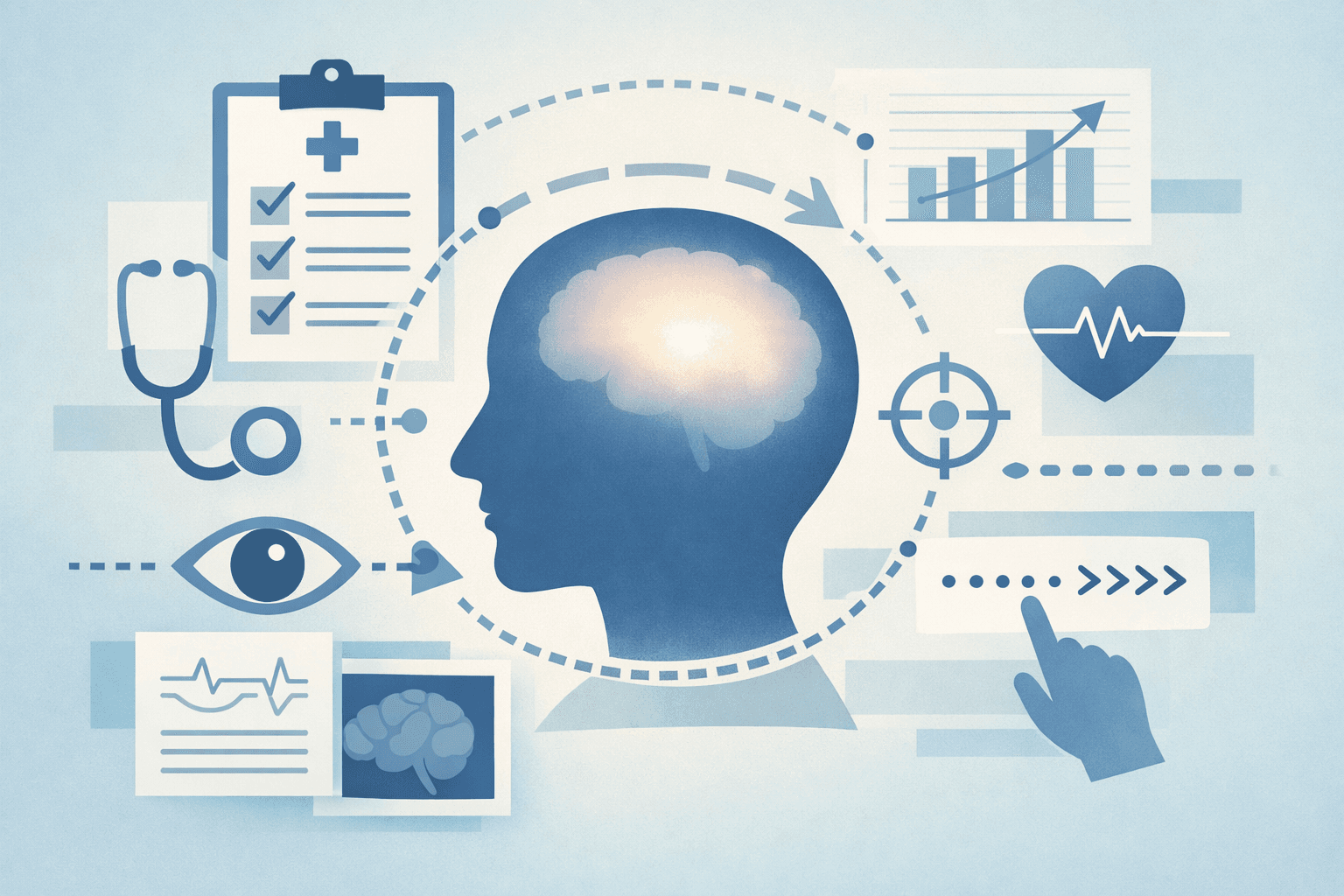
Diagnosis, Testing, and Medical Assessment After a Concussion
By
Dr. Mike Makher
Learn how concussions are diagnosed, what tests are used, and why scans are often normal. Clear guidance for Hillsboro, the rest of Washington County, and West Metro Portland residents.
Disclaimer: This article is for educational purposes only. It should not be seen as medical advice. Every case and person is unique, so treatment and prevention should be customized by a licensed professional.
How clinicians in the West Metro Portland area evaluate concussion
After a head injury, many people want one clear answer.
They want a test that says “yes” or “no.”…a scan that shows the injury…or a number that tells them how bad it is and how long recovery will take.
Unfortunately concussions do not work that way.
This can feel frustrating, scary, or confusing; especially for parents, athletes, and working adults in Washington County who are trying to make the right decisions.
This article explains how concussions are diagnosed and assessed in real life. It explains why there is no single test, what doctors and clinicians look for, and how testing is used to guide care, not to give perfect answers.
Concussion Is a Clinical Diagnosis
A concussion is diagnosed by listening, observing, and examining.
There is:
No blood test that proves a concussion
No scan that shows a concussion
No score that tells the full story
Instead, clinicians diagnose concussion based on:
What happened during the injury
What symptoms started after the injury
How the person is functioning now
What the exam shows
The diagnosis decision is made by a trained professional using judgment, patterns, and experience, not just one single test result.
Why This Can Feel Unsatisfying
Many injuries are easy to see.
A broken bone shows up on an X-ray.
A cut can be seen on the skin.
An infection shows up in blood work.
A concussion affects how the brain works, not how it looks.
That makes it harder to explain and harder to accept. But it does not make it less real.
What Clinicians Ask About First
The first part of a concussion evaluation is the story.
Clinicians ask questions like:
How did the injury happen?
Was there a fall, hit, or sudden stop?
Did the head move quickly?
Did symptoms start right away or later?
What symptoms are present now?
The details matter.
A fall at home, a soccer collision, a bike crash, or a car accident can all cause concussion. The force does not have to seem dramatic.
Why Symptoms Matter More Than Scans
Symptoms are the main signal of concussion.
Clinicians look for patterns such as:
Headache after injury
Dizziness or balance trouble
Trouble thinking or focusing
Vision problems
Sensitivity to light or noise
Changes in mood or sleep
The presence of these symptoms after a head or body injury points toward concussion, even when scans are normal.
When Imaging Is Used
Brain scans are not used to diagnose concussion.
They are used to rule out more serious injuries.
CT Scans
CT scans are used when clinicians worry about:
Bleeding in the brain
Skull fracture
Worsening neurologic function
CT scans are fast and helpful in emergency settings. They are not designed to show concussion.
MRI Scans
MRI scans look at brain structure in more detail. They may be used in special cases but are still usually normal after concussion.
MRI is not a recovery test. It does not show when the brain is healed.
Why Avoiding Unnecessary Imaging Matters
Imaging has limits and risks.
CT scans expose people to radiation.
Normal scans can give false reassurance.
Someone may think:
“The scan is normal, so I should feel normal.”
This can lead to pushing too hard and worsening symptoms.
Clinical guidelines stress that imaging should be used carefully and only when needed.
Common Assessment Tools Used After Concussion
Because there is no single test, clinicians use many small tools to understand how the brain is working.
Each tool looks at a different part of function.
Symptom Inventories
Symptom inventories are simple question lists.
They ask:
What symptoms are present?
How strong are they?
How have they changed?
These lists help:
Track progress over time
Spot patterns
Guide activity decisions
They are not pass-fail tests. They are tracking tools.
Cognitive Screening
Cognitive screening looks at thinking skills.
These tests are short and simple.
They may look at:
Memory
Attention
Speed of thinking
Someone might be asked to:
Remember words
Repeat numbers
Solve simple problems
These tests help show if thinking feels slower or harder than usual.
They do not measure intelligence.
They do not define recovery on their own.
Balance Testing
Balance testing checks how well the body stays steady.
After concussion, balance systems may not work smoothly.
Clinicians may test:
Standing still
Standing on one foot
Walking in a straight line
Poor balance does not mean permanent damage. It means the system is under stress.
Vestibular and Oculomotor Assessment
These words sound big, but the ideas are simple.
Vestibular System
This system helps with balance and motion.
Tests may look at:
Dizziness
Head movement tolerance
Stability while moving
Oculomotor System
This system controls eye movement.
Tests may look at:
Tracking objects
Focusing
Eye coordination
Problems here can cause:
Headache
Dizziness
Eye strain
Nausea
These systems are often involved in concussion and are treatable when identified.
Cervical Spine Assessment
The neck matters more than many people realize.
Head and neck move together during injury.
Neck problems can cause:
Headache
Dizziness
Balance trouble
Vision discomfort
Clinicians often check:
Neck movement
Neck pain
Muscle tension
Neck involvement does not mean the brain injury is worse. It means another system is adding to symptoms.
Why No Single Test Is Enough
Each test looks at one piece.
A concussion affects many pieces at once.
That is why clinicians combine:
Symptom reports
Physical exam
Thinking checks
Balance checks
Eye movement checks
Together, these give a clearer picture.
Variability Across Care Settings
Concussion care looks different depending on where someone is seen.
This is normal.
Urgent Care and Emergency Departments
These settings focus on:
Safety
Ruling out serious injury
Identifying red flags
They may not do detailed testing. Their job is to make sure the person is safe to go home.
Primary Care
Primary care clinicians manage:
Follow-up
Monitoring
Guidance over time
They help coordinate care and watch for improvement or problems.
Sports Medicine and Rehabilitation
These specialists often do:
More detailed testing
Targeted exams
Activity planning
They focus on recovery and return to function.
Different Tools, Same Principles
Even though tools vary, the core ideas are the same:
Listen to symptoms
Look for patterns
Watch how the person functions
Adjust care based on response
Limitations of Concussion Testing
Testing is helpful, but it has limits.
Normal Testing Does Not Mean Full Recovery
Someone may test “normal” but still feel bad.
This does not mean symptoms are fake.
It means tests are snapshots, not full stories.
Abnormal Testing Does Not Predict Exact Recovery Time
Testing cannot say:
“You will be better in two weeks.”
Recovery is individual.
Results Must Be Interpreted in Context
Tests are guides, not verdicts.
Clinicians look at:
Daily function
Symptom response
Progress over time
Why Follow-Up Matters
Concussion care does not end after one visit.
Follow-up helps:
Adjust activity
Catch lingering problems
Refer when needed
Recovery is a process, not a moment.
Questions to Ask Your Clinician
What factors might slow my recovery?
You might hear them say the following: people with more symptoms at the start, prior concussions, migraine history, sleep problems, anxiety or depression, or neck or balance involvement may take longer to recover, but no single factor can predict recovery for sure.
Which symptoms should guide activity progression?
Clinical practice guidelines would suggests an answer like: how symptoms respond during and after activity, especially headaches, dizziness, eye strain, and mental fatigue, should guide how fast activities are increased or scaled back.
When should referral be considered?
Based on the current evidence, your clinician might say the following: referral to specialists such as sports medicine, neurology, or rehabilitation is appropriate when symptoms last longer than expected, limit daily life, or suggest specific problems like balance or neck involvement.
Frequently Asked Questions
Is baseline testing required?
No. Baseline testing can help in some cases, but it is not required to diagnose or manage concussion.
Do neuropsychological tests diagnose concussion?
No. They support assessment, but they do not diagnose concussion by themselves.
Can symptoms persist with normal tests?
Yes. Symptoms can last even when tests look normal.
Why This Matters for Washington County Residents
People in this region are active.
Kids play sports.
Adults commute and work.
Families bike and hike.
Older adults experience falls.
Understanding how concussion is diagnosed helps people:
Trust the process
Ask better questions
Avoid pushing too fast
Concussion care is about patterns and progress, not perfect tests.
How This Article Fits in the Series
This article explains how concussion is evaluated and why testing works the way it does.
The next article focuses on:
Recovery
Activity progression
Return to school, work, and sports
Long-term considerations
Together, these articles form a clear and practical guide for families and individuals in Washington County and the West Metro Portland area.
Don’t Miss Out
Join our newsletter to get latest research insights.
References
Department of Veterans Affairs, Department of Defense. VA/DoD clinical practice guideline for the management of concussion–mild traumatic brain injury. Version 2.0. Washington, DC: Department of Veterans Affairs, Department of Defense; 2016; Centers for Disease Control and Prevention. CDC guideline on the diagnosis and management of mild traumatic brain injury among children. JAMA. 2018;320(20):2069-2070; McCrory P, Meeuwisse W, Dvorak J, et al. Consensus statement on concussion in sport—the 5th International Conference on Concussion in Sport held in Berlin, October 2016. Br J Sports Med. 2017;51(11):838-847; Ontario Neurotrauma Foundation. Guideline for concussion/mild traumatic brain injury and persistent symptoms. 3rd ed. Toronto, ON: Ontario Neurotrauma Foundation; 2018; Leddy JJ, Haider MN, Ellis MJ, et al. Sport-related concussion. N Engl J Med. 2025;392(5):483-493.
Learn how concussions are diagnosed, what tests are used, and why scans are often normal. Clear guidance for Hillsboro, the rest of Washington County, and West Metro Portland residents.
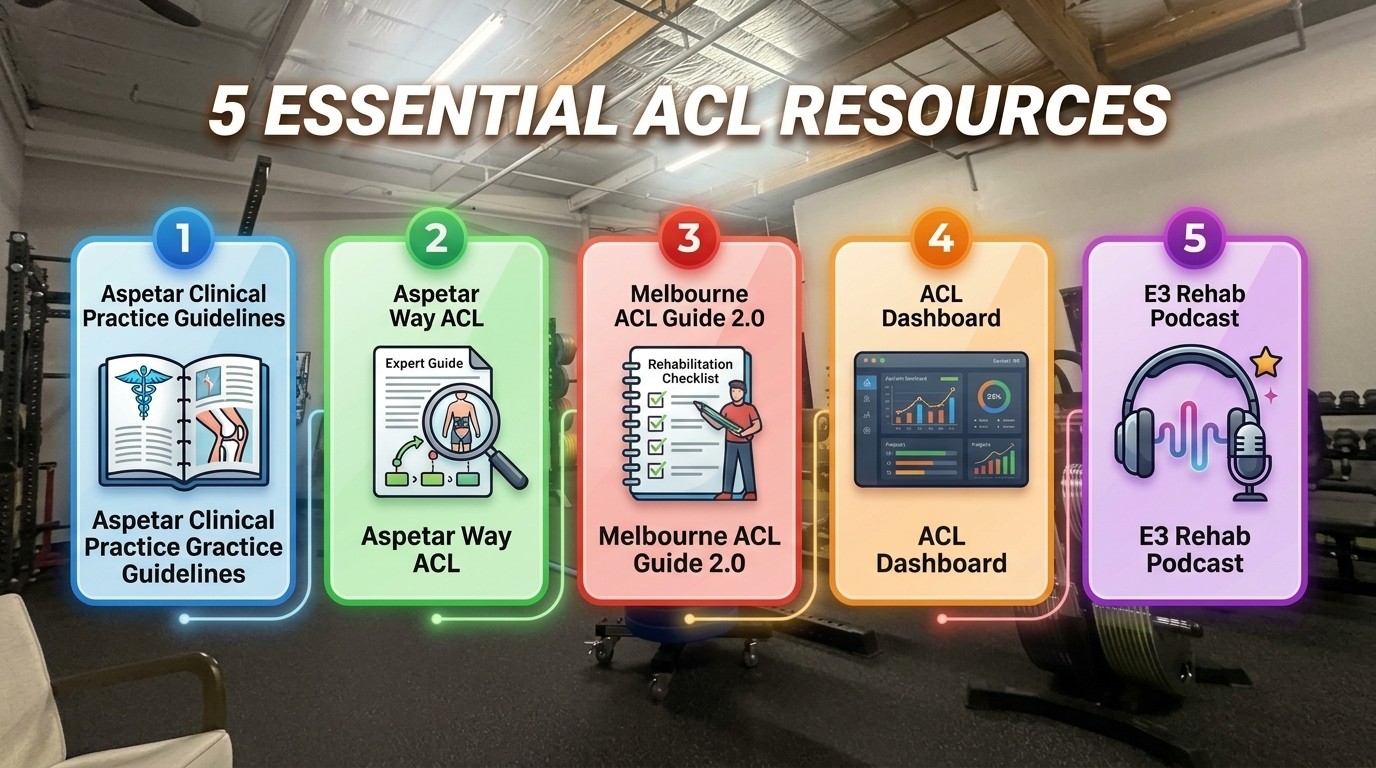
Your ACL Recovery Toolkit: 5 Free Resources Every Patient Should Know About
Sep 23, 2026
By
Dr. Mike Makher
What New Research on Achilles Tendon Recovery Means for Both of Your Legs
Sep 21, 2026
By
Dr. Mike Makher
What New Knee Research Means for Patients in Hillsboro, Beaverton, Aloha, and Nearby Towns
Sep 6, 2026
By
Dr. Mike Makher