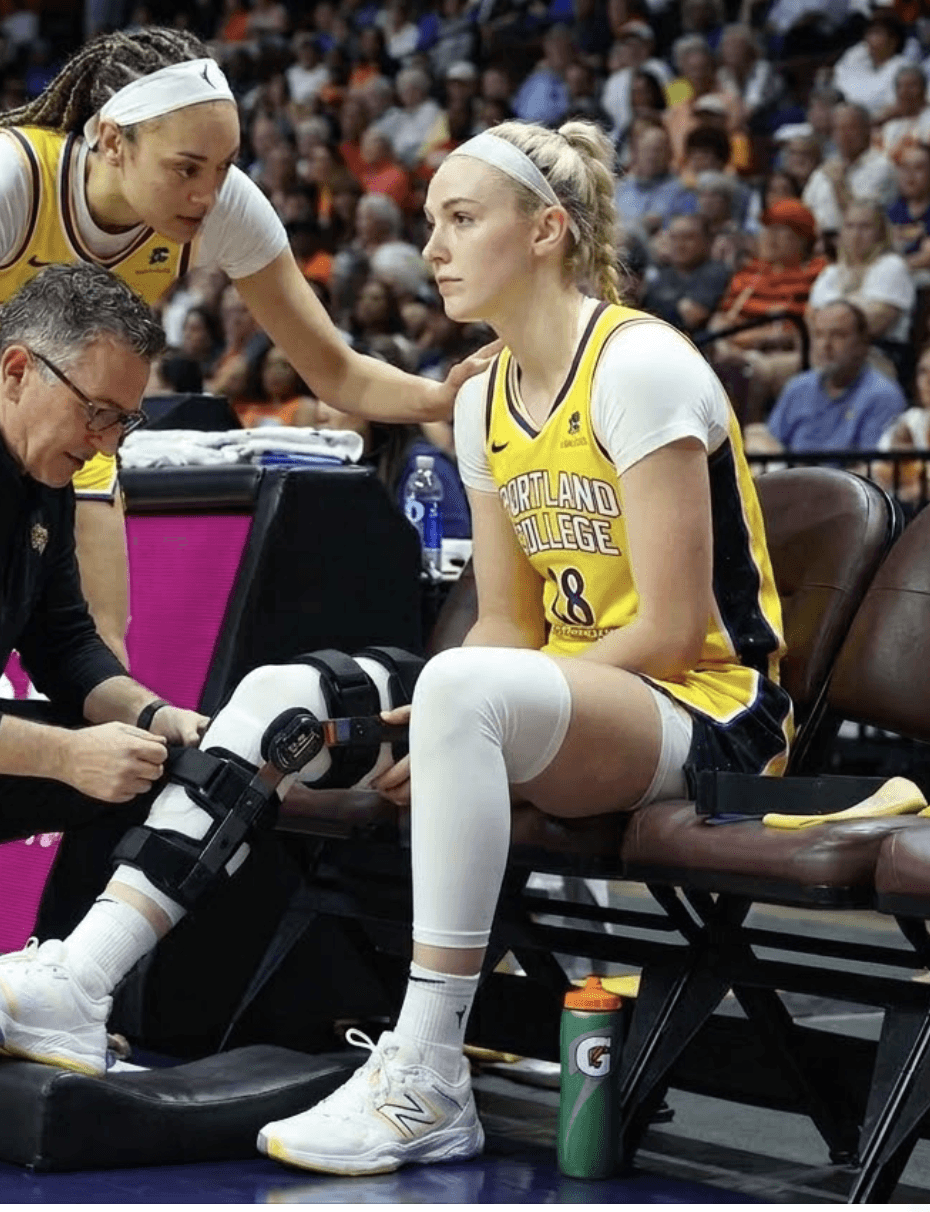
Understanding ACL Injuries: Risk Factors, Prevention, and Recovery Insights for Hillsboro Athletes
By
Dr. Mike Makher
Learn the science behind ACL injuries, reinjury risk, and prevention strategies. This article explains key research and training insights for athletes in Hillsboro, OR.
Disclaimer: This article is for educational purposes only. It should not be seen as medical advice. Every case and person is unique, so treatment and prevention should be customized by a licensed professional.
Understanding ACL Injuries and Why They Happen Again
The knee is one of the biggest and most important joints in the human body. It helps people walk, run, jump, and change direction. Inside the knee there are several parts that work together to keep the joint stable and moving well. One of the most important parts is called the anterior cruciate ligament, also called the ACL.
This article is basically a translated analysis of a clinical research article called "Anterior cruciate ligament: A brief narrative review of main risk factors for injury and re-injury" which reviews scientific studies about ACL injuries. It looked at why these injuries happen and why they sometimes happen again after a person heals. The article also discussed ways training and rehabilitation may help lower the chance of another injury.
Below are the main ideas covered in the research article.
The Knee and the ACL
The knee joint connects three bones. These bones are the femur (the thigh bone), the tibia (the shin bone), and the patella (the kneecap). The knee also contains cartilage, muscles, ligaments, fluid, and structures called menisci. These parts help the knee move and absorb force.
Ligaments are strong bands of tissue that connect bones to each other. They help keep joints stable. In the knee there are several ligaments that help control movement.
Some of the important knee ligaments include:
Anterior cruciate ligament (ACL)
Posterior cruciate ligament (PCL)
Medial collateral ligament
Lateral collateral ligament
Each ligament has a special job.
The ACL sits in the center of the knee joint. It runs from the tibia to the femur. Its job is to stop the shin bone from sliding too far forward and to help control rotation of the knee.
The ACL also helps the knee stay stable when someone runs, jumps, or changes direction quickly.
Inside the ACL there are two bundles of fibers:
One helps control forward and backward motion of the knee.
The other helps control rotation.
Because the ACL helps control these movements, damage to it can make the knee feel unstable.
ACL Injuries Are Common in Sports
ACL injuries are very common in sports. Activities that involve jumping, turning, and quick stops have the highest risk.
Examples include:
Soccer
Basketball
Football
Handball
Volleyball
In many cases the injury happens without contact from another person. The athlete may land from a jump, stop quickly, or (most often) change direction while the foot is planted on the ground. The knee can collapse inward and twist at the same time.
These types of movements can place large stress on the ligament and if the force is too high relative to the person's specific capacity, the ACL can tear.
What Happens After an ACL Injury
When the ACL tears, several problems may occur.
A person may experience:
Knee pain
Swelling
Instability
Difficulty moving the joint
The knee may feel like it will give out during activity.
The injury can also lead to muscle weakness and loss of normal movement patterns.
Over time, people with ACL injuries may develop osteoarthritis, which is a disease that damages the joint cartilage.
Many Athletes Do Not Fully Return to Sport
Many athletes want to return to sport after ACL injury. However, this does not always happen.
The article reported that only about 55 percent of athletes return to the same level of competition they had before the injury [disclaimer: this really depends on the level of capability as the more elite athletes have a higher rate of return to sport based on other studies].
Even more concerning, athletes who return to sport have a much higher risk of another injury.
Some studies suggest athletes are 15 times more likely to experience a second ACL injury compared to people who have never had one.
In athletes younger than 20 years old, the chance of another ACL injury can be as high as 40 percent.
Women May Have Higher Risk
Research has found that female athletes have a higher risk of ACL injury compared with males.
Women and girls may have three to six times greater risk of ACL injury in some sports.
Scientists believe several factors may contribute to this difference.
Possible reasons include:
Hormonal differences
Differences in muscle strength
Differences in movement patterns
More research is still needed to fully understand why these differences occur.
Why ACL Injuries Can Happen Again
One of the main topics of the article was re-injury risk. This means the chance of tearing the ACL again after it has healed or been reconstructed.
Several factors may increase the chance of another injury.
The article described some of the most important ones.
Returning to Sport Too Early
One of the biggest risks for another injury is returning to sports too soon.
If the knee has not fully healed, the ligament and muscles may not be strong enough.
Research shows athletes who returned to sport within the first seven months after surgery were about three times more likely to get another ACL injury compared with those who waited longer.
Another study found that each additional month of rehabilitation up to nine months reduced the chance of reinjury by about 51 percent.
Because of this, experts recommend that athletes regain at least 90 percent of normal strength before returning to sports that involve jumping or pivoting. However this article lacks a comprehensive breakdown of all the criteria needed to return to sport [for that you can check out our earlier article on this specific topic].
Muscle Weakness and Imbalance
Muscles play an important role in protecting the knee.
Two important muscle groups are:
Quadriceps (front of the thigh)
Hamstrings (back of the thigh)
After ACL injury or surgery, these muscles often become weaker.
Sometimes one leg is stronger than the other. This is called asymmetry.
A significant amount of asymmetry (>10% if the non dominant limb was injured) can increase stress on the knee joint.
Studies have shown that many athletes still have strength differences between their legs even two years after ACL surgery.
These differences may increase the chance of another injury.
Changes in Movement Patterns
Another important factor is biomechanics, which means how the body moves.
After an ACL injury, people may move differently when they walk, run, or land from a jump.
Examples include:
Knee collapsing inward
Poor trunk control
Uneven landing forces
These changes increase stress on the knee.
Researchers sometimes measure landing forces using a force platform, which records how much force each leg produces when a person lands from a jump.
Large differences between legs can signal higher injury risk.
Problems With Balance and Control
The ACL also contains sensory receptors. These help the brain understand the position of the knee.
After injury, these sensors may not work as well.
This can affect:
Balance
Joint awareness
Muscle coordination
These problems can make it harder to control knee movements during sports.
Physical therapy and training can help improve these functions.
Age and Maturity
Age can also influence ACL injury risk.
Young athletes often have higher risk of re-injury.
Studies have found that teenagers who return to sports after ACL reconstruction have a higher chance of tearing the ligament again.
Researchers believe this may be related to incomplete muscle development or neuromuscular maturity.
Osteoarthritis After ACL Injury
Another concern after ACL injury is the long-term health of the knee.
Many people develop osteoarthritis years after the injury.
One study found that 79 percent of people who had ACL reconstruction later developed osteoarthritis.
The risk can increase even more if the meniscus is removed during surgery.
However, osteoarthritis does not happen to everyone.
Healthy lifestyle habits and proper rehabilitation may help reduce the risk.
Training Programs to Reduce Injury Risk
The article also described ways training can help lower the chance of ACL injury or reinjury.
Experts recommend programs that include several types of training rather than focusing on just one type.
Important parts of prevention programs include:
Plyometric training
Strength training
Neuromuscular training
Core training
Hip and glute training
Each type of training helps protect the knee in different ways.
Plyometric Training
Plyometric exercises involve quick, explosive movements.
Examples include:
Jumping
Hopping
Bounding
These exercises train the body to absorb forces safely during landing.
They also improve coordination between muscles.
The article noted that these exercises strongly activate muscles in the hips, especially the gluteus medius and gluteus maximus.
Strong hip muscles help control knee position during movement.
Neuromuscular Training
Neuromuscular training helps the brain and muscles work together more efficiently.
This training improves:
Balance
Joint stability
Movement control
Exercises often include:
Single-leg balance
Agility drills
Jump landing practice
Sport-specific movements
These exercises help athletes move in safer ways during sports.
Strength Training
Strength training is another important part of rehabilitation.
It helps rebuild muscle strength after injury.
Exercises may target:
Quadriceps
Hamstrings
Hip muscles
Core muscles
The article explains that strength training alone may not be enough to prevent reinjury. It works best when combined with other types of training.
The Importance of Glute Muscles
Hip muscles play a large role in knee stability.
The gluteus medius and gluteus maximus help control the position of the leg during movement.
If these muscles are weak, the knee may collapse inward. This movement is called dynamic knee valgus.
Dynamic knee valgus increases stress on the ACL.
The article described several exercises that activate these muscles, including:
Side-lying hip abduction
Bridges
Lunges
Band walks
Single-leg squats
Figures in the research article show examples of these exercises on pages 4 and 5.
Psychological Factors
Recovery from injury is not only physical. Mental and emotional factors also play an important role.
Some athletes feel fear about getting injured again.
Others may feel frustration or anxiety during recovery.
These feelings can affect how well people follow rehabilitation programs and how confident they feel returning to sport.
Studies show that communication between the patient and therapist can improve recovery outcomes.
Key Lessons From the Review
The article concluded that ACL injury and reinjury are influenced by many factors.
Important risk factors include:
Age
Sex
Muscle strength
Movement patterns
Early return to sport
Training methods
Because many factors are involved, prevention programs should combine several types of training.
These programs may include:
Strength exercises
Plyometric drills
Balance training
Sport-specific practice
Hip and core strengthening
Together, these approaches may help reduce the chance of ACL injury and reinjury.
Final Takeaway
The ACL is essential for knee stability and safe movement during sports. Injuries to this ligament are common, especially in activities that involve jumping and sudden changes of direction.
Many athletes struggle to return to their previous level of competition after an ACL injury. Even when they do return, they face a high risk of another injury.
Understanding the causes of ACL injuries is important for doctors, therapists, coaches, and athletes. Proper rehabilitation, careful return to sport, and well-designed training programs may help reduce the chance of re-injury.
More research is still needed to better understand how to prevent ACL injuries and improve long-term outcomes for athletes.
Don’t Miss Out
Join our newsletter to get latest research insights.
References
Belozo FL, Belozo RSMN, Lopes CR, Yamada AK, Silva VRR. Anterior cruciate ligament: A brief narrative review of main risk factors for injury and re-injury. Journal of Bodywork and Movement Therapies. 2024;38:92-99. doi:10.1016/j.jbmt.2024.01.022.
Learn the science behind ACL injuries, reinjury risk, and prevention strategies. This article explains key research and training insights for athletes in Hillsboro, OR.