
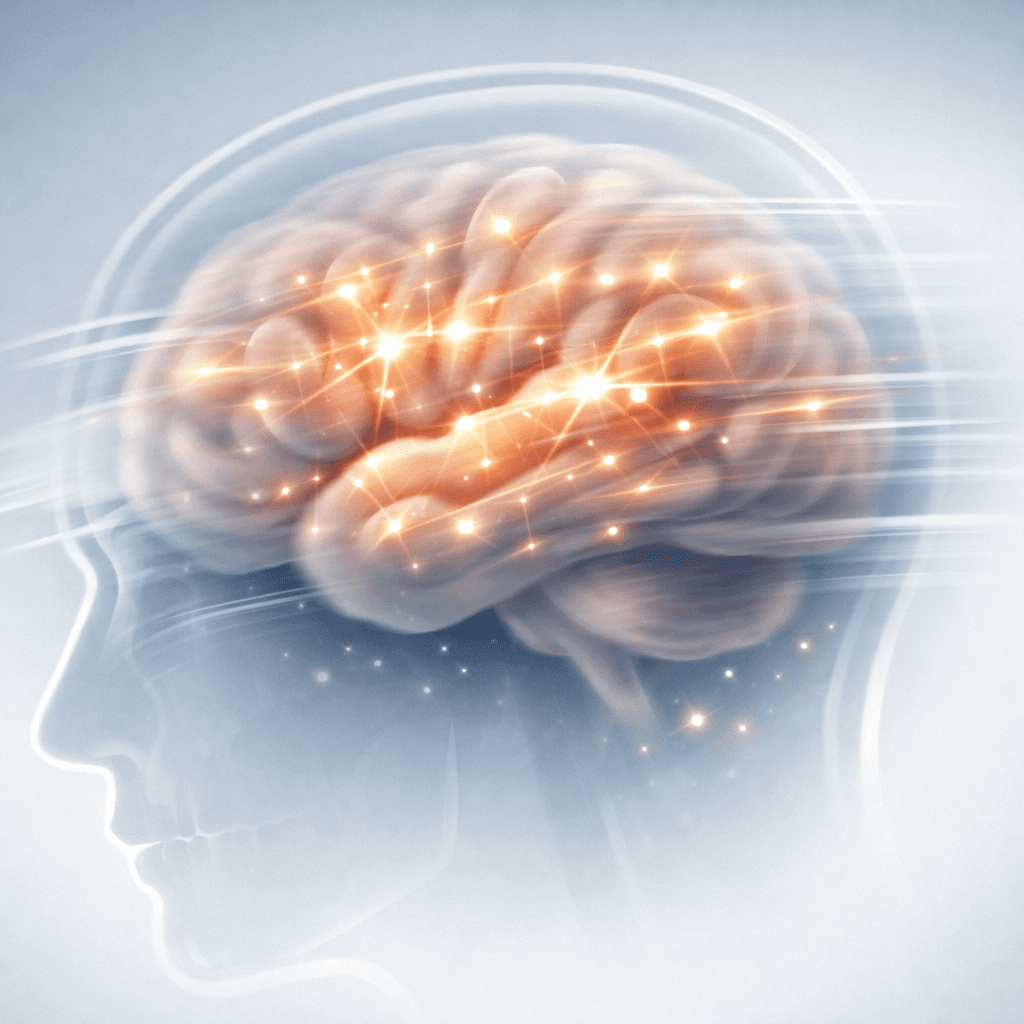
What a Concussion Is and What Happens in the Brain

By
Dr. Mike Makher
Learn what a concussion really is, how mild traumatic brain injury affects the brain, and why scans are often normal. Clear guidance for residents of Hillsboro and the rest of Washington County, OR.
Disclaimer: This article is for educational purposes only. It should not be seen as medical advice. Every case and person is unique, so treatment and prevention should be customized by a licensed professional.
Understanding concussion and mild traumatic brain injury for families, athletes, and working adults in Washington County and the West Metro Portland area
Concussions are common, misunderstood, and often minimized injuries, especially in suburban and semi-rural communities where youth sports, commuting, outdoor recreation, and physically demanding work are part of daily life. In places like Hillsboro, Beaverton, Forest Grove, Sherwood, and surrounding Washington County communities, concussions frequently occur during soccer and football games, bicycle crashes on local roads, falls at home or work, and motor vehicle accidents on busy corridors.
Despite how common they are, concussions remain confusing for many families, athletes, and working adults. People often expect a concussion to look dramatic, involving loss of consciousness or a visible injury on a brain scan. When those things are absent, the injury may be dismissed or underestimated, even though symptoms can be very real and disruptive.
This article explains what a concussion actually is, how it differs from more severe brain injuries, and what happens inside the brain at a physiologic level. It is grounded in current clinical practice guidelines and consensus statements used by neurologists, emergency clinicians, sports medicine physicians, and rehabilitation professionals. The goal is not to oversimplify concussion, but to make it understandable without distorting the science.
What Is a Concussion?
A concussion is a mild traumatic brain injury, often abbreviated as mTBI. It occurs when a force to the head or body causes the brain to move rapidly within the skull, disrupting normal brain function. Importantly, a concussion does not require a direct blow to the head, and it does not require loss of consciousness.
Many concussions occur when the head is rapidly accelerated or decelerated, such as during a fall, a collision on the soccer field, a bicycle crash, or a sudden stop in a car accident. The force transmitted through the body is enough to affect the brain, even if there is no visible injury to the head.
In everyday clinical practice, the terms concussion and mild traumatic brain injury are used interchangeably. Both refer to the same underlying phenomenon: a temporary disruption in brain function rather than a structural injury like bleeding or tissue destruction.
This distinction is critical. A concussion is not defined by what shows up on a scan. It is defined by symptoms and functional changes following an injury mechanism that is capable of affecting the brain.
Why Loss of Consciousness Is Not Required
One of the most persistent misconceptions in communities and youth sports settings is that a person must be “knocked out” to have a concussion. This is incorrect.
Clinical practice guidelines consistently emphasize that most concussions occur without loss of consciousness. In fact, loss of consciousness is relatively uncommon in concussion and is more suggestive of more severe injury when it occurs.
People who never lose consciousness can still experience headaches, dizziness, balance problems, cognitive slowing, emotional changes, and sleep disruption. These symptoms reflect changes in how the brain is functioning, not whether the person blacked out.
Common Causes of Concussion in Washington County Communities
In suburban and semi-rural areas of the West Metro region, concussion mechanisms often reflect daily life rather than elite athletics.
Youth sports such as soccer, football, basketball, and lacrosse are frequent sources, especially through collisions, falls, or heading the ball. Bicycle crashes are common among both children and adults, particularly on shared roads and recreational paths. Falls at home or work, especially among older adults, are a major cause of concussion in the community. Motor vehicle accidents remain a significant contributor, even when airbags deploy and no head strike is obvious.
Workplace injuries, particularly in physically demanding jobs, can also involve rapid head and body movements that produce concussive forces without obvious trauma.
Understanding these mechanisms helps explain why concussions are not rare or exotic injuries. They are part of everyday injury patterns in this region.
How Concussion Differs From Moderate or Severe Traumatic Brain Injury
Traumatic brain injury exists on a spectrum, ranging from mild to severe. Concussion sits at the mild end of this spectrum, but “mild” refers to injury classification, not to how a person feels.
Moderate and severe traumatic brain injuries involve structural damage to the brain. This may include bleeding within or around the brain, swelling, bruising of brain tissue, or penetrating injury. These injuries often involve prolonged loss of consciousness, significant neurologic deficits, or abnormal findings on imaging such as CT or MRI. They usually require hospital admission and sometimes surgical intervention.
Concussion, by contrast, typically involves no visible structural injury on standard imaging. That does not make it imaginary or trivial. It means the injury occurs at a level that conventional imaging is not designed to detect.
Clinical guidelines emphasize that concussion represents a physiologic and metabolic disturbance rather than a macroscopic structural lesion. The brain’s function is disrupted even though its gross anatomy appears intact.
Why Normal Imaging Does Not Mean Nothing Is Wrong
One of the most frustrating experiences for patients and families is being told that a CT or MRI scan is “normal” while symptoms persist. This can create confusion, self-doubt, or the belief that symptoms are psychological or exaggerated.
CT scans are optimized to detect bleeding, fractures, and swelling. MRI scans detect changes in tissue structure. Neither is designed to measure brain metabolism, cellular energy balance, or network-level communication efficiency.
Concussion alters how the brain works, not what it looks like. The absence of visible damage does not negate the presence of real functional impairment.
Imaging is used appropriately when clinicians are concerned about injuries more serious than concussion, such as intracranial bleeding or skull fracture. It is not used to confirm or deny the presence of concussion itself.
What Actually Happens Inside the Brain After a Concussion
To understand concussion, it helps to shift away from the idea of a “bruise” and toward the concept of a temporary physiologic crisis in brain cells.
When the head or body experiences a rapid acceleration or rotational force, the brain moves slightly within the skull. This movement stretches and strains neurons and their connections.
Several interrelated processes occur almost simultaneously.
First, there is a sudden release of excitatory neurotransmitters. These chemicals normally help brain cells communicate, but when released in excess they disrupt normal signaling.
Second, ion channels in the neuronal membrane open abnormally. This allows charged particles to move in ways that require the cell to expend large amounts of energy to restore balance.
Third, the brain’s energy demand increases sharply at the same time that cerebral blood flow may be reduced. This creates what clinicians and researchers describe as an energy mismatch.
The brain needs more fuel at the exact moment it is less able to deliver it.
Axonal Strain and Network Disruption
Axons are the long fibers that allow neurons to communicate with one another across different brain regions. During a concussion, axons may be stretched without being torn.
This axonal strain does not destroy the cell, but it disrupts the speed and efficiency of communication. Information processing becomes less coordinated. Signals that were once smooth and automatic may feel slow, effortful, or disorganized.
This helps explain why people with concussion often report feeling “foggy,” mentally slowed, or easily overwhelmed. It is not that they have lost intelligence or memory. It is that the communication networks are temporarily inefficient.
Why Symptoms Can Affect Many Different Systems
The brain does not operate in isolated compartments. Systems responsible for balance, vision, mood, sleep, and cognition are interconnected.
When energy availability and signaling efficiency are disrupted, symptoms can appear across multiple domains. Headache, dizziness, visual strain, emotional lability, and sleep disturbance can all arise from the same underlying physiologic disruption.
This multisystem nature of concussion is emphasized across modern clinical practice guidelines. It is also why concussion symptoms vary so widely from person to person.
Why Concussion Symptoms Are Often Delayed
Another common source of confusion is delayed symptom onset. Many people feel “okay” immediately after an injury, only to develop symptoms hours or even a day later.
The neurometabolic cascade described above unfolds over time. Adrenaline, focus, and situational demands can temporarily mask symptoms. As the brain’s energy reserves are taxed, symptoms become more noticeable.
Delayed symptoms do not mean the injury suddenly appeared. They reflect the evolving nature of the physiologic disturbance.
Common Misconceptions in Community and Youth Sports Settings
Misunderstandings about concussion are widespread and can delay care or worsen outcomes.
One misconception is that a person must hit their head. In reality, rapid whiplash forces alone can be sufficient to cause concussion.
Another misconception is that a normal scan means the person is fine. As discussed, imaging is not a measure of brain function.
A third misconception is that symptoms should simply be pushed through. Clinical guidelines consistently caution against ignoring symptoms, as this increases the risk of prolonged recovery and additional injury.
Why Early Management Matters
After a concussion, the brain is temporarily more vulnerable. During this period of metabolic stress, a second injury can have disproportionate effects.
This vulnerability is why early removal from play, hazardous work tasks, or risky activities is emphasized across sport, emergency, and rehabilitation guidelines. It is not about being overly cautious. It is about protecting a system that is temporarily operating with reduced capacity.
Early management also includes education and reassurance. Understanding that symptoms are expected and typically temporary reduces anxiety, which itself can worsen symptom perception and recovery trajectories.
Concussion as a Functional Injury, Not a Character Flaw
One of the quieter harms of concussion misinformation is the tendency to moralize symptoms. People may feel weak, lazy, or dramatic for struggling after what looks like a minor injury.
Clinical guidance is clear that concussion symptoms are not a failure of effort or attitude. They reflect a temporary physiologic disruption. Recovery is influenced by many factors, including symptom burden, prior history, sleep, stress, and the demands of daily life.
Recognizing concussion as a legitimate injury helps patients advocate for appropriate care and accommodations.
Questions to Ask Your Medical Clinician
What signs suggest this is a concussion versus a more serious injury?
Based on the current evidence, your clinician might say the following: concussion is diagnosed when symptoms such as headache, dizziness, confusion, or balance problems occur after a head or body impact without signs of structural brain injury, while worsening neurologic deficits, repeated vomiting, severe confusion, or prolonged loss of consciousness raise concern for more serious injury that needs urgent evaluation.
What symptoms should prompt urgent evaluation?
Based on the current evidence, your clinician might discuss the following: symptoms such as worsening headache, repeated vomiting, seizure, slurred speech, weakness, numbness, severe confusion, or declining alertness are red flags that require immediate emergency care rather than routine concussion monitoring.
What level of activity is safe in the first few days?
Based on the current evidence, your provider might mention: short periods of relative rest are appropriate early on, but complete inactivity for long periods is not recommended, and light daily activity that does not cause a significant or prolonged increase in symptoms is generally safe once serious injury is ruled out.
Frequently Asked Questions
Is a concussion a brain bruise?
No. A concussion is a functional and metabolic disruption, not a bruise or bleed.
Can children and adults experience concussion differently?
Yes. Children often show behavioral changes, school difficulties, or irritability rather than classic adult symptoms.
Should everyone with a concussion get a CT scan?
No. Imaging is reserved for specific red flags or concern for more serious injury.
How This Article Fits Into the Larger Concussion Series
This article focuses on what a concussion is and what happens in the brain. The next articles in this series addresses signs, symptoms, and red flags to help you recognize things to look out for related to concussion.
This series (with an article related to concussion published each week) is designed to help residents of Hillsboro, Aloha, North Plains, Beaverton, and the rest of Washington County, OR in addition to the West Portland Metro area make informed decisions, recognize when care is needed, and understand why modern concussion management looks the way it does.
Concussion is common, real, and usually recoverable. Understanding the injury is the first step toward navigating it well.
Don’t Miss Out
Join our newsletter to get latest research insights.
References
Department of Veterans Affairs, Department of Defense. VA/DoD clinical practice guideline for the management of concussion–mild traumatic brain injury. Version 2.0. Washington, DC: VA/DoD; 2016; Centers for Disease Control and Prevention. CDC guideline on the diagnosis and management of mild traumatic brain injury among children. JAMA. 2018;320(20):2069-2070; McCrory P, Meeuwisse W, Dvorak J, et al. Consensus statement on concussion in sport—the 5th International Conference on Concussion in Sport held in Berlin, October 2016. Br J Sports Med. 2017;51(11):838-847; Ontario Neurotrauma Foundation. Guideline for concussion/mild traumatic brain injury and persistent symptoms. 3rd ed. Toronto, ON: Ontario Neurotrauma Foundation; 2018; Leddy JJ, Haider MN, Ellis MJ, et al. Sport-related concussion. N Engl J Med. 2025;392(5):483-493; American Physical Therapy Association. Clinical practice guideline: physical therapy evaluation and treatment after concussion/mild traumatic brain injury. Phys Ther. 2020;100(2):239-263.
Learn what a concussion really is, how mild traumatic brain injury affects the brain, and why scans are often normal. Clear guidance for residents of Hillsboro and the rest of Washington County, OR.
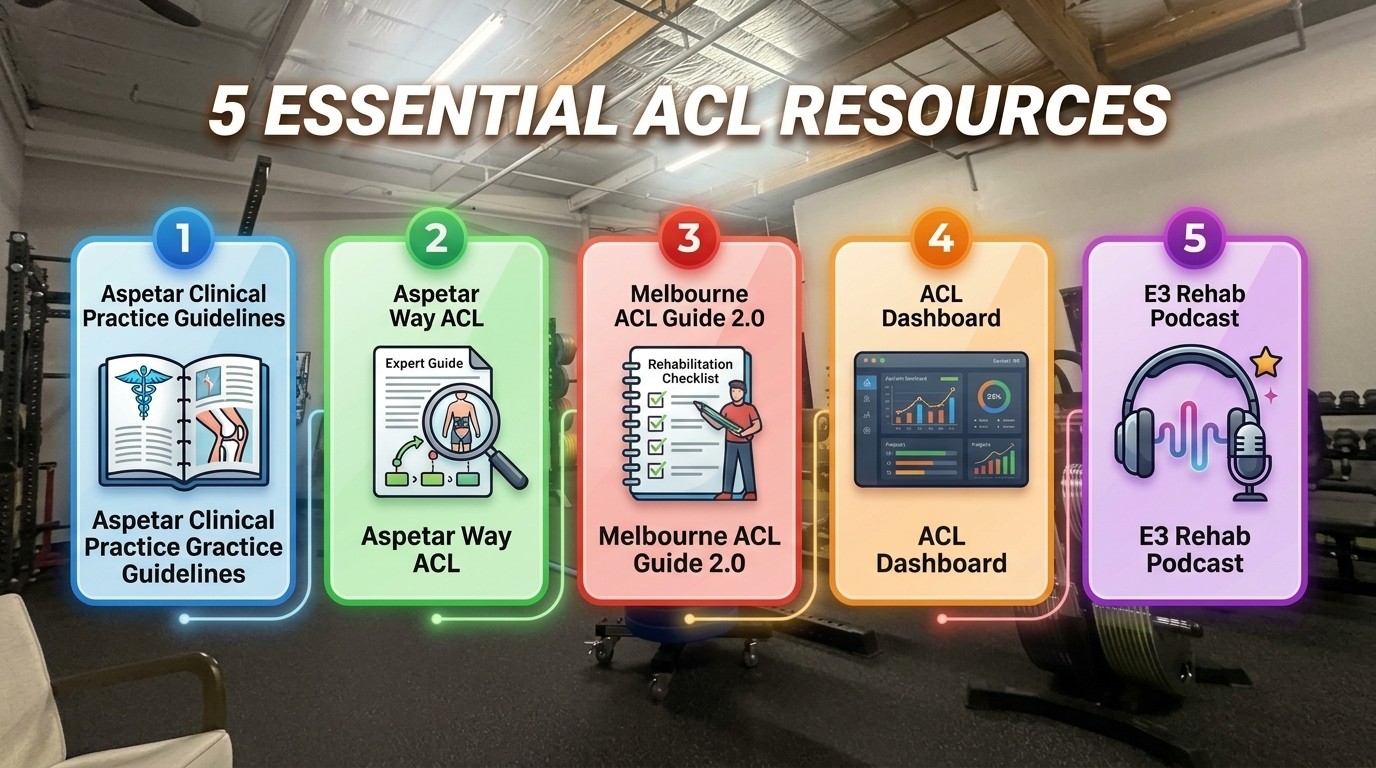
Your ACL Recovery Toolkit: 5 Free Resources Every Patient Should Know About
Sep 23, 2026
By
Dr. Mike Makher

What New Research on Achilles Tendon Recovery Means for Both of Your Legs
Sep 21, 2026
By
Dr. Mike Makher
What New Knee Research Means for Patients in Hillsboro, Beaverton, Aloha, and Nearby Towns
Sep 6, 2026
By
Dr. Mike Makher