
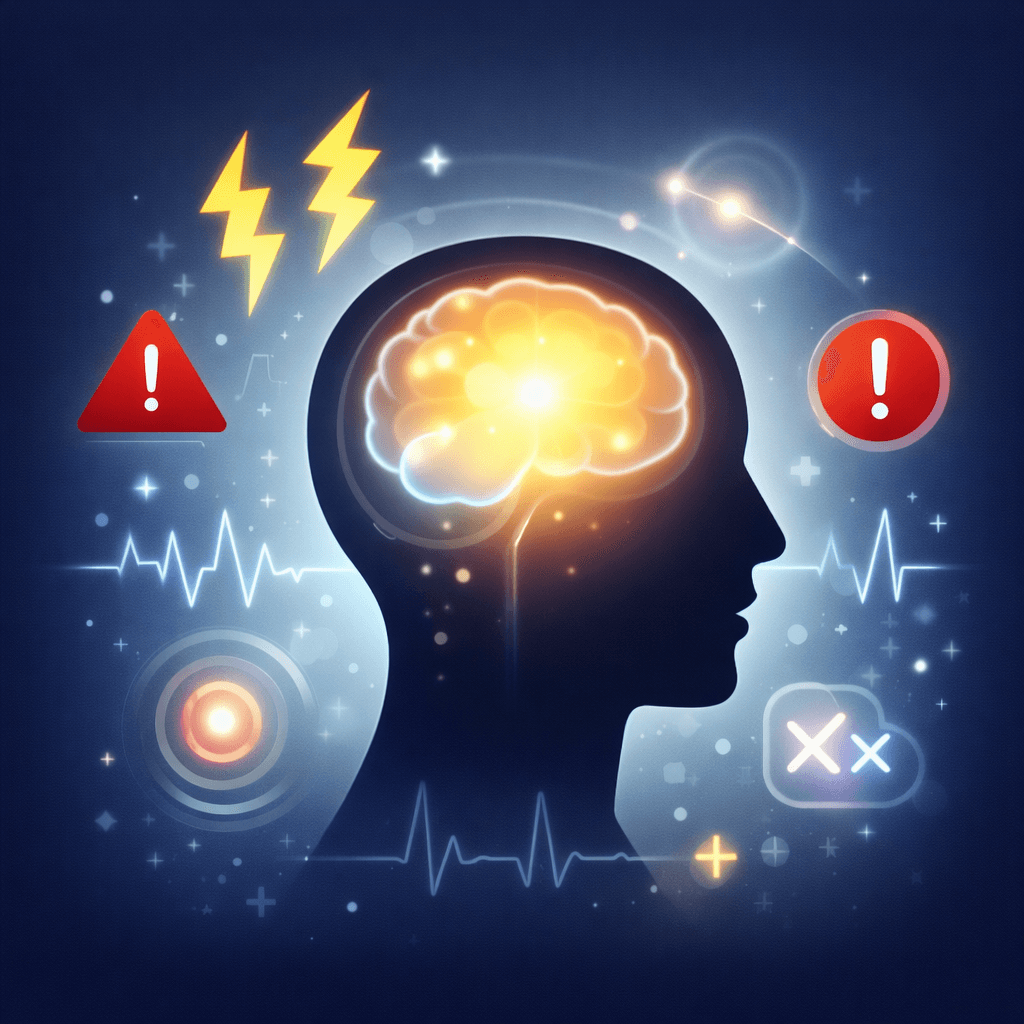
Signs, Symptoms, and Red Flags After a Concussion
By
Dr. Mike Makher
Learn the signs and symptoms of concussion, when to worry, and when to go to the ER. Clear guidance for kids and adults in Hillsboro and Washington County, Oregon.
Disclaimer: This article is for educational purposes only. It should not be seen as medical advice. Every case and person is unique, so treatment and prevention should be customized by a licensed professional.
What to watch for after a head injury in kids, teens, adults, and older adults in Washington County
A concussion can be hard to spot. Many people expect it to look serious right away. They think someone must pass out, throw up, or act confused at the scene. But most concussions do not look that way at first.
In Washington County and the West Metro Portland area, concussions often happen during sports games, bike rides, falls at home, car crashes, and work injuries. These are everyday events. Because of that, concussion symptoms are often missed, ignored, or brushed off as “no big deal.”
This article explains the signs and symptoms of concussion in a clear and simple way. It also explains when symptoms are normal, when they are not, and when someone needs urgent medical care.
Why Concussion Symptoms Can Be Delayed
One of the most confusing things about a concussion is timing.
Symptoms do not always start right away.
A person may feel okay at first. They may finish a game. They may go home after a fall. They may drive away after a car crash. Then later that day, or even the next day, symptoms begin.
This delay is normal.
After a concussion, the brain goes through changes over time. The injury does not always show itself right away. The brain’s energy systems get stressed slowly, not all at once.
Adrenaline also plays a role. After an injury, the body releases stress hormones. These can hide symptoms for hours. Once the adrenaline fades, symptoms become easier to notice.
Delayed symptoms are common after:
Sports games
Bike crashes
Car accidents
Falls during daily activities
A delay does not mean the injury suddenly appeared. It means the brain is struggling more as time passes.
Why Symptoms Can Change Day to Day
Concussion symptoms can change from one day to the next.
One day a person may have a headache. The next day they may feel dizzy instead. Another day they may feel tired or irritable.
This does not mean the injury is getting worse. It means different brain systems are being stressed in different ways.
Activities also matter. Symptoms often increase with:
School work
Job tasks
Screens
Driving
Noise
Bright lights
Busy places
This pattern is expected after a concussion.
Common Symptom Categories After a Concussion
Concussion symptoms are usually grouped into categories. Not everyone has symptoms from every group.
Physical Symptoms
These affect the body.
Common physical symptoms include:
Headache
Dizziness
Nausea
Feeling sick to the stomach
Sensitivity to light
Sensitivity to noise
Balance problems
Feeling unsteady
Visual strain
Blurry vision
Eye discomfort
Some people feel pressure in their head. Others feel sharp pain. Some feel motion sickness. All of these can be part of a concussion.
Cognitive Symptoms
These affect thinking.
Common cognitive symptoms include:
Slower thinking
Trouble focusing
Trouble paying attention
Forgetting things
Losing track of tasks
Feeling “foggy”
Feeling confused
People often say they feel “off” or “not like themselves.” They may need more time to do simple tasks.
Emotional Symptoms
These affect mood and feelings.
Common emotional symptoms include:
Irritability
Anxiety
Nervousness
Sadness
Low mood
Crying more easily
Big emotional reactions
These changes are not a personality flaw. They are part of how the injured brain handles stress.
Sleep Symptoms
These affect rest and sleep.
Common sleep symptoms include:
Sleeping more than usual
Sleeping less than usual
Trouble falling asleep
Waking up often
Not feeling rested after sleep
Sleep problems are very common after concussion and can make other symptoms feel worse.
Not Everyone Has the Same Symptoms
Two people can have the same type of injury and feel very different.
One person may mostly have headaches. Another may mostly feel dizzy. Another may feel tired and emotional.
This does not mean one injury is real and the other is not. It means concussions affect people in different ways.
Age-Specific Concussion Symptoms
Concussion symptoms can look different depending on age.
Children
Young children may not have the words to explain how they feel.
Signs in children may include:
Crying more than usual
Being clingy
Getting upset easily
Changes in play
Trouble at school
Not wanting to do favorite activities
Parents may notice behavior changes before the child complains of pain.
Teens
Teens often hide symptoms.
They may want to return to sports quickly. They may worry about missing games or letting teammates down.
Common teen behaviors after concussion include:
Saying they feel “fine” when they are not
Downplaying headaches
Pushing through dizziness
Getting frustrated easily
Adults should take teen symptoms seriously, even when teens minimize them.
Adults
Adults often notice problems at work or while driving.
Common adult symptoms include:
Trouble concentrating at work
Slower task completion
Headaches after screen time
Discomfort while driving
Trouble handling busy environments
Adults may also feel pressure to keep working, even when symptoms increase.
Older Adults
Older adults are at higher risk after falls.
Symptoms in older adults may include:
Confusion
Balance problems
Worsening memory
Increased fall risk
Older adults may need closer monitoring because complications can be more serious.
Why Symptoms Matter Even When Imaging Is Normal
Many people are told their scan is normal and assume they should feel normal too.
This is a mistake.
Concussion symptoms are real even when CT or MRI scans look normal. These scans do not measure how the brain is working. They only show bleeding or structural injury.
Symptoms guide care, not scans.
Red Flags That Need Urgent Medical Care
Some symptoms are not normal for a simple concussion.
These are called red flags.
Go to a local emergency room or call emergency services right away if any of the following occur:
Worsening headache
Headache that keeps getting worse
Repeated vomiting
Seizure
Slurred speech
Weakness in arms or legs
Numbness or tingling
Severe confusion
Trouble waking up
Unequal pupil size
Loss of consciousness that lasts
Neck pain with neurologic symptoms
These signs may point to bleeding, swelling, or spinal injury. They need urgent care.
Why Early Recognition Matters
Ignoring concussion symptoms can slow recovery.
Playing sports while symptomatic increases risk. Working in dangerous settings increases risk. Driving with slowed reaction time increases risk.
Early recognition allows:
Safer recovery
Fewer setbacks
Better long-term outcomes
Recognizing symptoms early is not being weak. It is being smart.
Watching Symptoms at Home
Many people can be safely observed at home after a concussion.
Key things to watch:
Are symptoms staying the same or improving?
Is the person acting normally?
Are red flags appearing?
Families should receive clear instructions on when to seek help.
Questions to Ask Your Clinician
Which symptoms are expected and which are concerning?
Based on the current evidence, your clinician might say the following: symptoms like headache, light sensitivity, fatigue, dizziness, and trouble concentrating are common after a concussion, while symptoms that get worse over time, repeated vomiting, increasing confusion, or new neurologic problems are concerning and need urgent reassessment.
How long should someone be observed at home?
If referencing the most recent clinical practice guidelines as of the publication of this article your clinician might respond with something like: most people can be safely watched at home for the first 24 to 48 hours as long as symptoms are stable or improving and no red flags appear, with clear instructions about when to seek emergency care.
When is it safe to return to school or work tasks?
An evidence based clinician might answer this by saying the following: return to school or work usually starts with lighter mental tasks and temporary adjustments, and activities are slowly increased based on symptoms rather than waiting for all symptoms to be gone.
Frequently Asked Questions
Is headache always present after a concussion?
No. Some people mainly have balance problems, vision issues, or thinking difficulties instead of headaches.
Can symptoms get worse with screens?
Yes. Screens require eye movement and mental effort, which can increase symptoms for a short time.
Is it dangerous to sleep after a concussion?
No. Once serious injury is ruled out, sleep is safe and often helpful.
Why This Information Matters for Washington County Families
Concussions are common in this area because people are active. Kids play sports. Adults commute. Families bike and hike. Older adults experience falls.
Knowing the signs helps people act early and recover better.
Symptoms are not something to push through. They are signals from the brain asking for care.
Looking Ahead in This Series
This article focuses on recognizing concussion symptoms and red flags.
The next articles in this series will explain:
How concussions are diagnosed
What testing really means
How recovery and return to daily life work
Don’t Miss Out
Join our newsletter to get latest research insights.
References
Department of Veterans Affairs, Department of Defense. VA/DoD clinical practice guideline for the management of concussion–mild traumatic brain injury. Version 2.0. Washington, DC: Department of Veterans Affairs, Department of Defense; 2016; Centers for Disease Control and Prevention. CDC guideline on the diagnosis and management of mild traumatic brain injury among children. JAMA. 2018;320(20):2069-2070; McCrory P, Meeuwisse W, Dvorak J, et al. Consensus statement on concussion in sport—the 5th International Conference on Concussion in Sport held in Berlin, October 2016. Br J Sports Med. 2017;51(11):838-847; Ontario Neurotrauma Foundation. Guideline for concussion/mild traumatic brain injury and persistent symptoms. 3rd ed. Toronto, ON: Ontario Neurotrauma Foundation; 2018; Leddy JJ, Haider MN, Ellis MJ, et al. Sport-related concussion. N Engl J Med. 2025;392(5):483-493.
Learn the signs and symptoms of concussion, when to worry, and when to go to the ER. Clear guidance for kids and adults in Hillsboro and Washington County, Oregon.
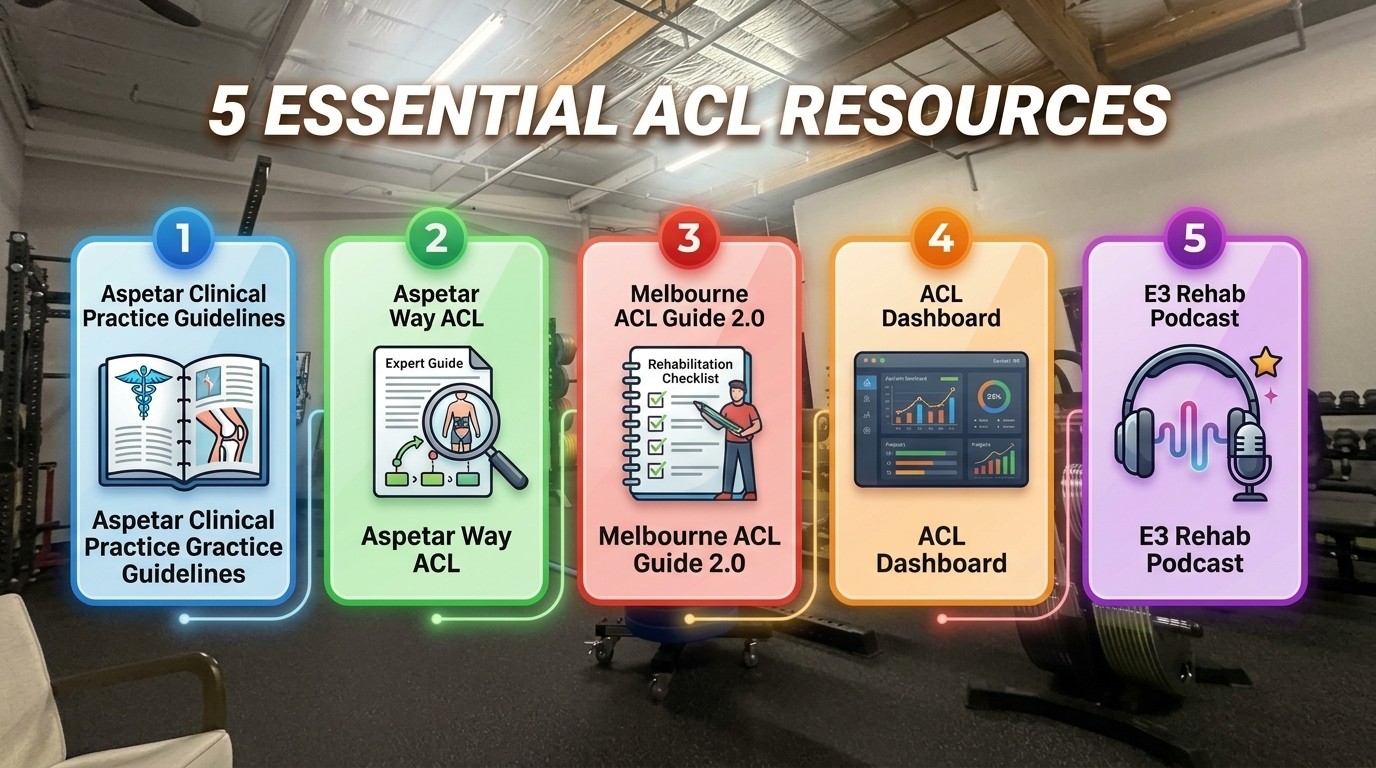
Your ACL Recovery Toolkit: 5 Free Resources Every Patient Should Know About
Sep 23, 2026
By
Dr. Mike Makher
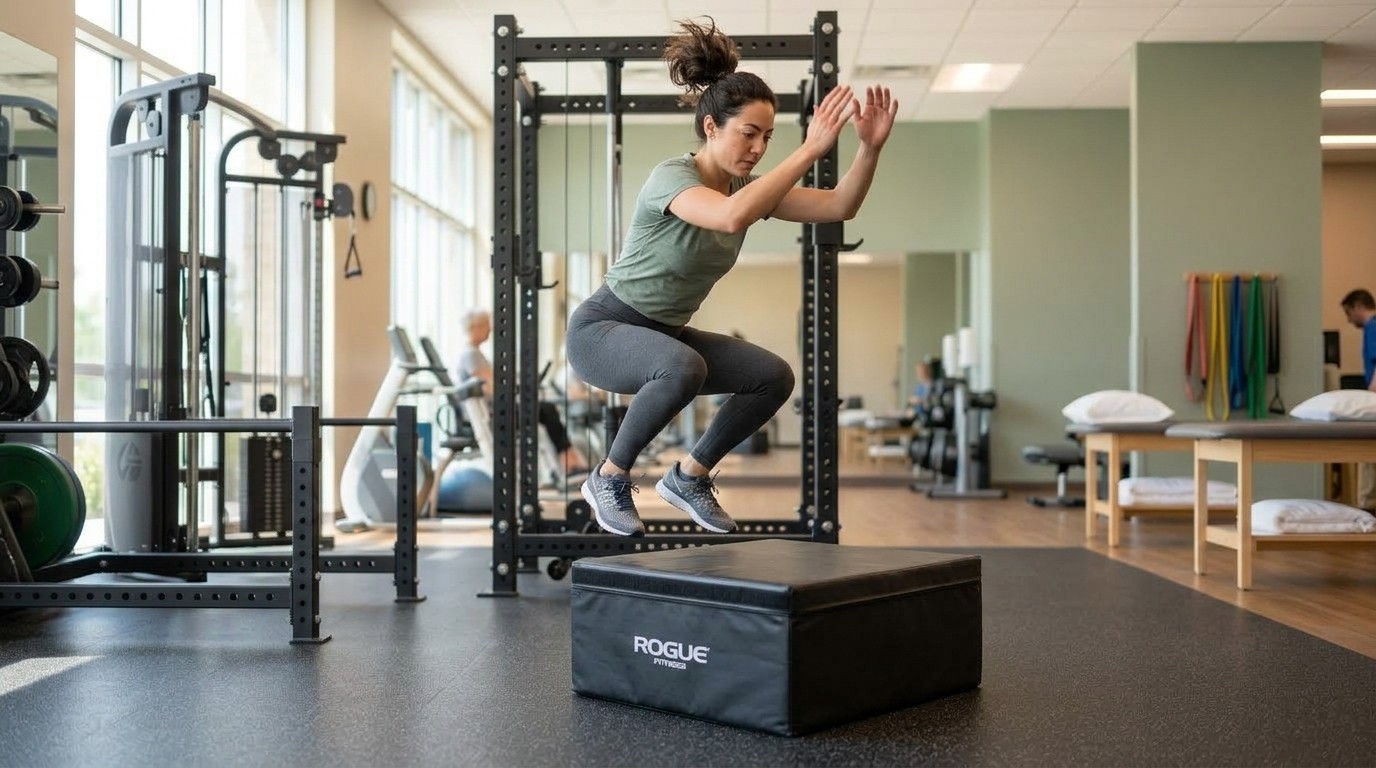
What New Research on Achilles Tendon Recovery Means for Both of Your Legs
Sep 21, 2026
By
Dr. Mike Makher
What New Knee Research Means for Patients in Hillsboro, Beaverton, Aloha, and Nearby Towns
Sep 6, 2026
By
Dr. Mike Makher