
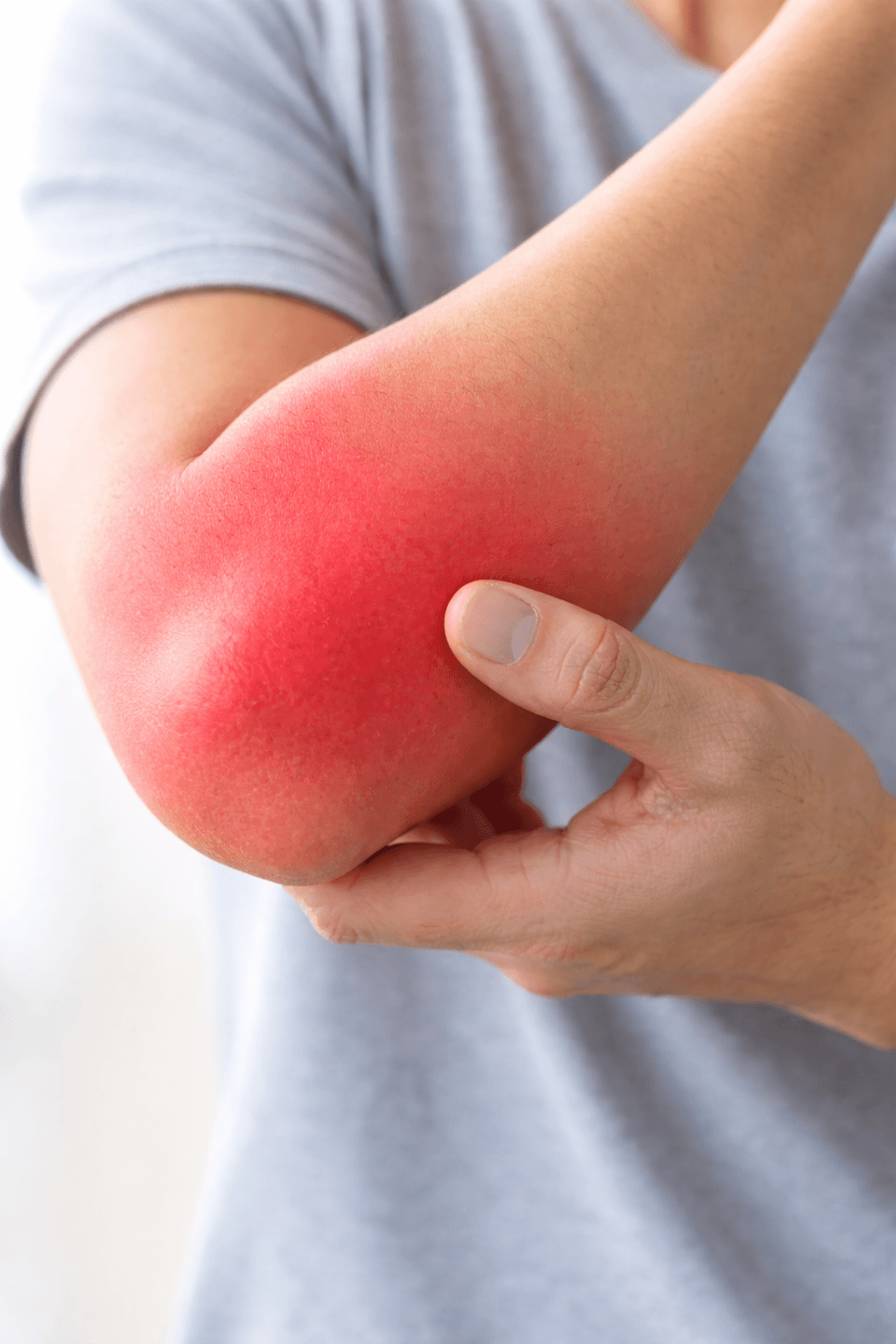
Elbow Pain Is Rarely About the Elbow Alone
By
Dr. Mike Makher
Tennis elbow is not just inflammation. Learn how workload, repetitive strain, and tendon breakdown cause elbow pain and why rest alone often fails. Evidence-based guidance for active adults.
Disclaimer: This article is for educational purposes only. It should not be seen as medical advice. Every case and person is unique, so treatment and prevention should be customized by a licensed professional.
Part I: Why Tennis Elbow and Golfer’s Elbow Stick Around Longer Than You Expect
Elbow pain has a reputation problem. People think its simple: a sore tendon, too much gripping, maybe bad form…maybe just rest it, ice it, stretch it, and it will go away.
That story sounds tidy, sadly the truth is that is often not entirely accurate or even completely inaccurate.
Elbow pain, especially lateral epicondylitis/epicondylalgia (affecting the outer elbow), commonly called tennis elbow, and medial epicondylitis/epicondylalgia (affecting the inner elbow), often called golfer’s elbow, is not an inflammation problem. It is a load tolerance problem that develops slowly, hides well, and lingers when treated like a short-term injury.
A 2023 New England Journal of Medicine clinical review describes lateral epicondylitis as a degenerative tendinopathy marked by disorganized collagen, fibroblast infiltration, and vascular changes, not acute inflammation, even though pain may feel sharp and sudden.
To break that down further: the tendon is not swollen or “inflamed” the way people usually think of the injury. Instead, the tendon fibers have slowly lost their normal, tidy structure. The collagen, which is the strong rope-like material that gives the tendon its strength, becomes frayed and disorganized, more like a worn-out rope than a tight cable. Extra repair cells move in and small, fragile blood vessels grow into the area as the body tries to fix the problem, but the repair never fully finishes. The result is a tendon that hurts, gets irritated easily, and cannot handle the same loads it used to, even though it is not actively inflamed.
That distinction matters, because inflammation-driven problems respond well to rest and medication. Degenerative tendon problems do not.
How Common Is Elbow Pain Really?
Population studies show tennis elbow affects between 1 and 3 percent of adults at any given time, with the highest rates between ages 40 and 59. That sounds small until you realize how many people load their arms daily.
Occupational studies show lateral epicondylitis is especially common in workers exposed to sustained forearm rotation and high mechanical strain. Researchers looked at more than 5,000 workers and found that people whose jobs put a high overall strain on their arms were much more likely to develop tennis elbow. When the total stress on the arm crossed a certain level, meaning lots of force, awkward positions, long hours, or fast-paced work combined, the chance of getting tennis elbow jumped by about 75% compared to people with lower strain.
Notably, repetitive gripping alone did not show a strong association. This challenges the idea that elbow pain is simply about squeezing harder or typing too much.
Golfer's elbow is less common overall, with prevalence estimates between 0.3 and 1.1% in the general population, but it becomes far more common in manual laborers, where rates approach 5 percent.
Tennis Elbow Is Rarely Caused by Tennis
Only about 5 percent of lateral epicondylalgia cases occur in tennis players, according to epidemiologic data summarized in the NEJM review. In fact most of the time it happens for people who never touched a racquet.
It's more likely to be DIYers who are doing a little too much. Mechanics rotating tools. Parents carrying kids. Climbers hanging from holds. Elbow tendinopathy follows load, not labels.
The tendon most often involved in lateral epicondylitis is the tendon for extensor carpi radialis brevis, a muscle that stabilizes the wrist during gripping and lifting. Repetitive eccentric (downward) loading, meaning the muscle lengthens while contracting, creates microtrauma that outpaces the tendon’s ability to repair itself.
Over time, that mismatch becomes pain.
Why Rest Often Fails
One of the most frustrating truths about elbow pain is that it often improves slowly, even without treatment. In a study of orthopedic surgeons who diagnosed themselves with tennis elbow, 97% reported symptom resolution within two years, even though most received no formal care. The things is two years is a long time.
This natural history explains why rest feels helpful early but fails long term. Tendons need load to remodel. Remove load entirely and capacity declines. Reintroduce load too fast and pain flares.
This cycle explains why many people bounce between flare-ups for years.
Pain Does Not Mean Any Damage Is Getting Worse
Pain intensity does not correlate well with tendon damage.
Histologic studies show that tendinopathy often progresses without worsening symptoms, while pain can spike without structural change. This disconnect is why imaging findings rarely predict recovery and why clinical diagnosis remains the gold standard for elbow tendinopathy.
This also explains why provocative tests reproduce pain without telling you how severe the condition really is.
Lifestyle Factors Matter More Than People Think
A 2024 prospective study examining 265 patients with lateral epicondylitis found that smoking and heavy alcohol consumption significantly increased the likelihood of failing conservative care and progressing to surgery.
Heavy drinkers had a 3.74 times higher risk of requiring surgery within one year compared to occasional drinkers.
Frequent physical exercise was also associated with higher surgical risk, not because exercise is bad, but because poorly managed load increases failure risk.
This matters for active adults who assume that being fit protects them from tendon problems. Fitness helps, but only when load is progressed in a well informed and intelligent manner.
Injections Feel Good, Then Betray You
Corticosteroid injections reduce pain quickly. That is not debated.
What is debated is what happens next.
A systematic review comparing physical therapy interventions to corticosteroid injections found that injections produced superior short-term relief, but physical therapy led to better outcomes at intermediate and long-term follow-up, with fewer recurrences and less need for additional treatment.
This pattern mirrors what is seen in shoulder tendinopathy and Achilles tendinopathy. Pain relief without capacity building is borrowed time.
A JOSPT patient guideline summary notes that while elbow pain often improves on its own, about 1 in 5 people experience symptoms lasting three to five years, and structured physical therapy reduces both pain and recurrence.
Medial Elbow Pain Is a Different Beast
Medial elbow pain deserves its own respect.
A 2025 narrative review emphasizes that non-traumatic medial elbow pain often overlaps with ulnar nerve irritation, ulnar collateral ligament stress, and snapping triceps, making diagnosis more complex than lateral elbow pain
Up to half of medial epicondylalgia cases involve some degree of ulnar nerve symptoms, which worsens prognosis and alters treatment strategy.
This is why medial elbow pain that includes numbness, tingling, or night symptoms should never be treated like simple tendon soreness.
Why “Just Strengthen It” Is Not Enough
Strength matters, but strength alone does not solve tendinopathy.
The elbow relies heavily on endurance, coordination, and force distribution across the entire upper limb. Reviews of epicondylar injuries in sport emphasize that sloppy technique, sudden spikes in training volume, and inadequate recovery are stronger predictors of injury than raw strength levels.
This is why people who are objectively strong still develop elbow pain.
What This Means for Recovery
The big takeaway from the article should be simple.
Elbow pain is not an indication fragile tissue is breaking down. It is suggesting the tissue has lost its margin for error.
Recovery requires rebuilding that margin through progressive loading, workload management, and addressing the whole chain from shoulder to wrist.
Our next article will break down exactly how that process works, what good rehab actually looks like, and how active adults can train around elbow pain without losing strength, fitness, or confidence.
For now, the most important thing to understand is this.
Elbow pain is common. It is slow and also manageable, but it does not mean you are broken.
Don’t Miss Out
Join our newsletter to get latest research insights.
References
Wolf JM, Mountcastle S, Owens BD. Lateral epicondylitis: epidemiology, pathophysiology, and treatment. J Am Acad Orthop Surg. 2007;15(4):219-226; Coombes BK, Bisset L, Vicenzino B. Management of lateral elbow tendinopathy: one size does not fit all. J Orthop Sports Phys Ther. 2015;45(11):938-949. doi:10.2519/jospt.2015.5841; Lucado AM, Dale RB, Kolber MJ, et al. Lateral elbow pain and muscle function impairments: revision 2022 clinical practice guidelines. J Orthop Sports Phys Ther. 2022;52(12):770-836. doi:10.2519/jospt.2022.0302; Belton J, Ardern CL. Tennis elbow: what is it and how do I get back to my regular activities? J Orthop Sports Phys Ther. 2023;53(4):235. doi:10.2519/jospt.2023.0504; Descatha A, Dale AM, Jaegers L, Herquelot E, Evanoff B. Self-reported physical exposure association with lateral epicondylitis incidence in a large longitudinal study. Occup Environ Med. 2013;70(10):699-704. doi:10.1136/oemed-2013-101546; van Rijn RM, Huisstede BM, Koes BW, Burdorf A. Associations between work-related factors and lateral epicondylitis: a systematic review. Br J Sports Med. 2009;43(2):69-77. doi:10.1136/bjsm.2007.043455; Sharma S, Berwal P, Verma N, et al. Physical therapy intervention versus corticosteroid injection for lateral elbow tendinopathy: does slow and steady win the race? A systematic review. Shoulder Elbow. 2024;16(1S):59-73. doi:10.1177/17585732221132545; Hume PA, Reid D, Edwards T. Epicondylar injury in sport: epidemiology, type, mechanisms, assessment, management and prevention. Sports Med. 2006;36(2):151-170.
Tennis elbow is not just inflammation. Learn how workload, repetitive strain, and tendon breakdown cause elbow pain and why rest alone often fails. Evidence-based guidance for active adults.
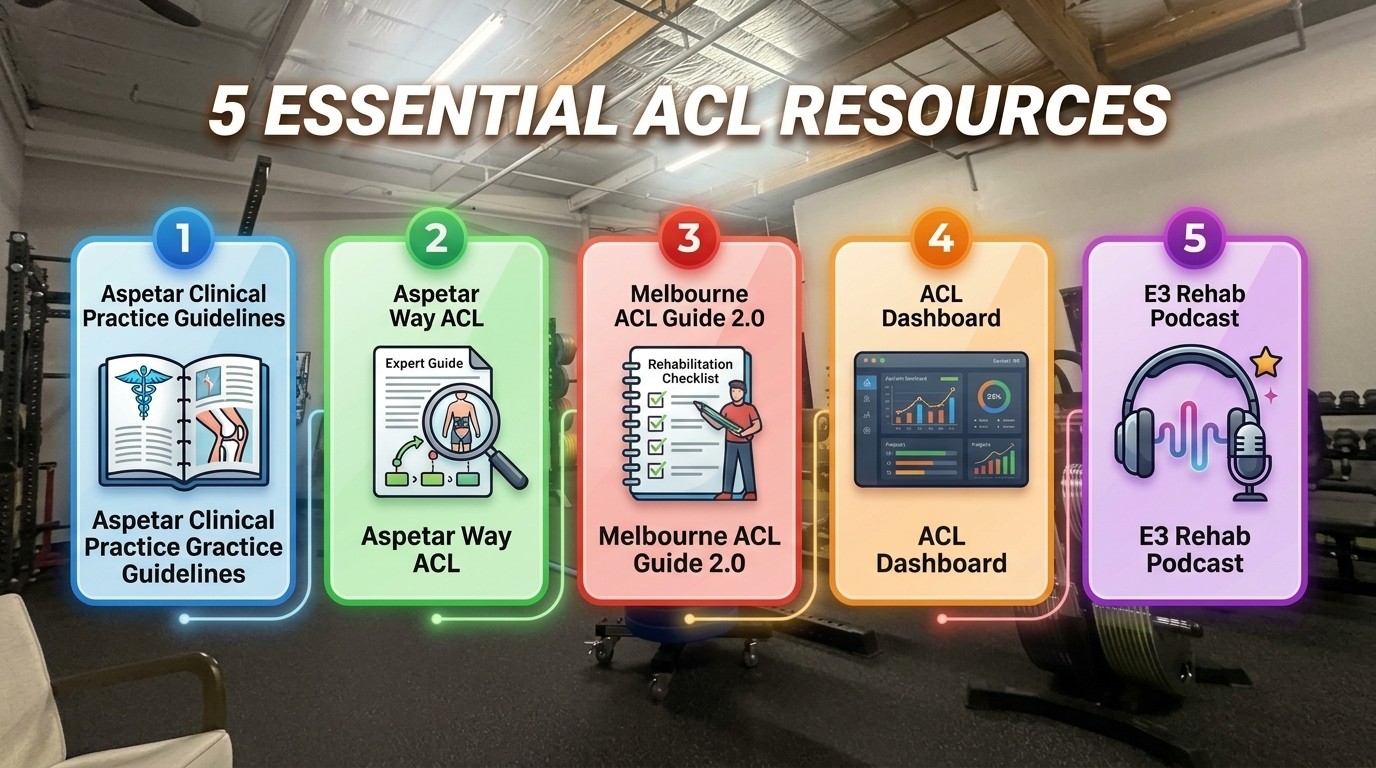
Your ACL Recovery Toolkit: 5 Free Resources Every Patient Should Know About
Sep 23, 2026
By
Dr. Mike Makher

What New Research on Achilles Tendon Recovery Means for Both of Your Legs
Sep 21, 2026
By
Dr. Mike Makher
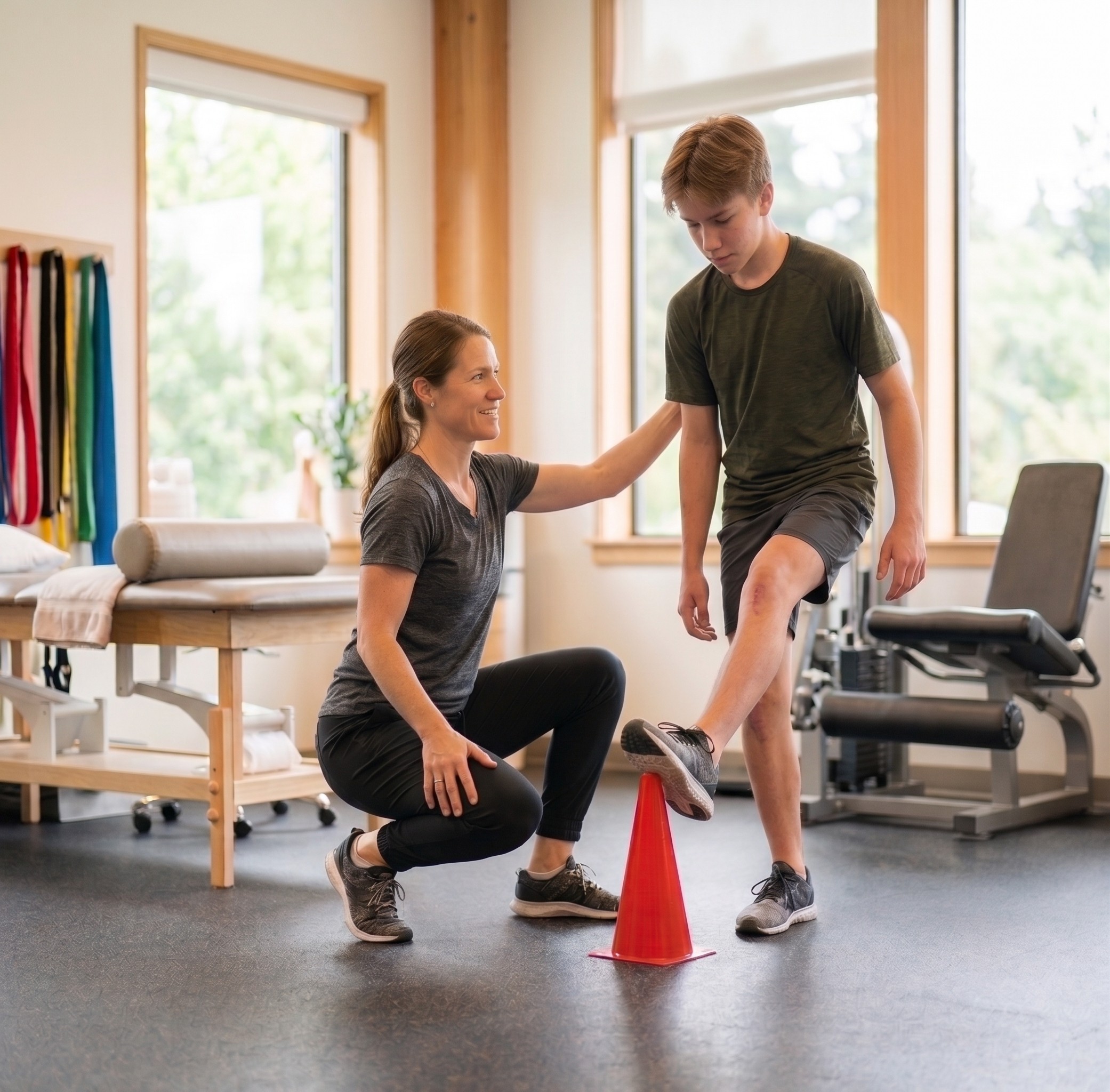
What New Knee Research Means for Patients in Hillsboro, Beaverton, Aloha, and Nearby Towns
Sep 6, 2026
By
Dr. Mike Makher