
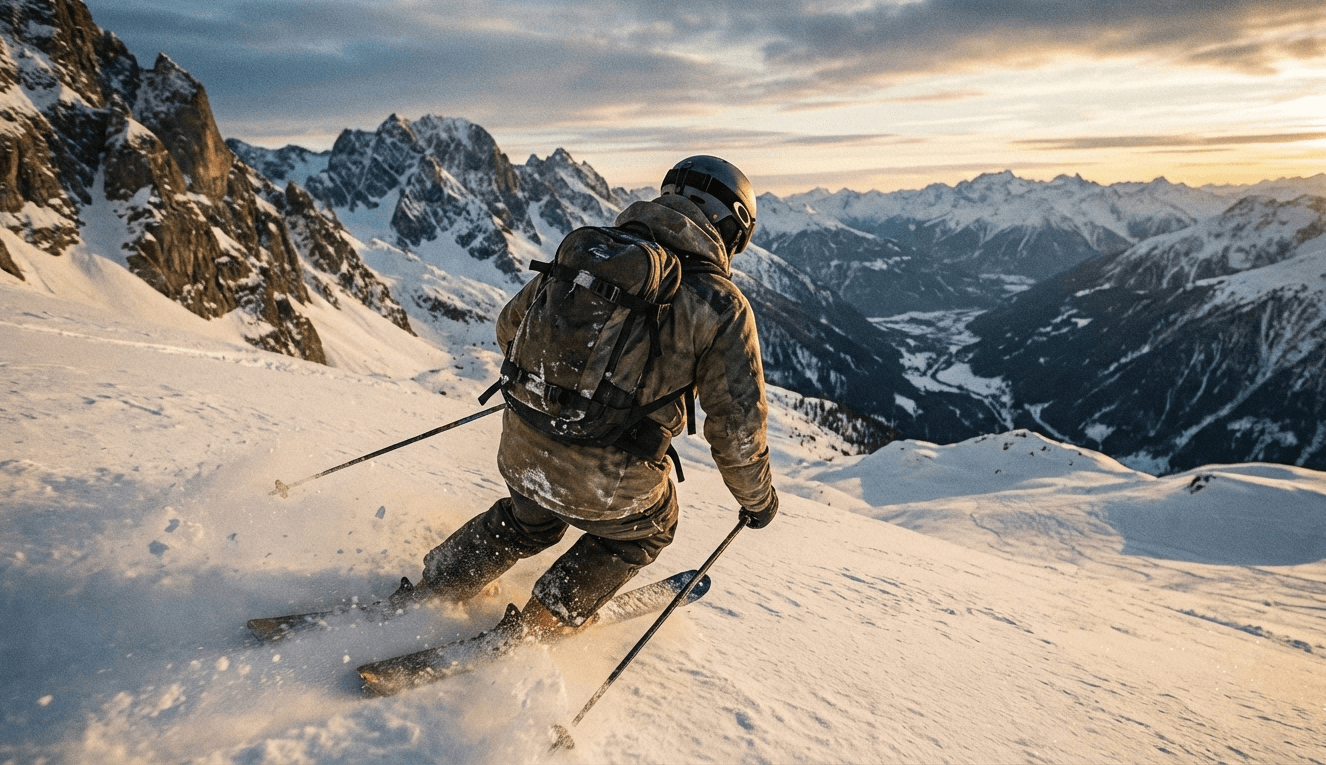
Tibia and Fibula Fractures From Skiing and Snow Sports
By
Dr. Mike Makher
Learn how common tibia and fibula fractures are in skiing and snow sports, what treatment looks like, and how rehab progresses step by step. Written for skiers in Portland, Beaverton, Hillsboro, and Aloha.
Disclaimer: This article is for educational purposes only. It should not be seen as medical advice. Every case and person is unique, so treatment and prevention should be customized by a licensed professional.
Every winter, skiers and snowboarders from Hillsboro, Aloha, Beaverton, and Portland load up the car and head for the mountains. Meadows, Timberline, and Bachelor feel like part of daily life here. Snow sports are a gift. They are also unpredictable. When speed, ice, fatigue, and equipment meet at the wrong moment, the lower leg can take the hit.
Among the more serious injuries seen after ski accidents are fractures of the tibia and fibula. These are not simple sprains that fade in a few weeks. They are injuries that demand patience, structure, and a smart rehab plan that restores confidence along with strength.
This article explains how common tibia and fibula fractures really are in skiing and snow sports, what medical treatment usually involves, and what the rehab process looks like when it is done well. The focus is on active recovery and self-efficacy, not passive treatments. The goal is to help injured skiers understand the road back to the slopes and daily life.
How Common Are Tibia and Fibula Fractures in Skiing
Ski injuries have changed over the decades. Thanks to better boots and bindings, lower leg fractures are less common than they were in the 1970s. Injury rates overall have dropped to roughly 2 to 3 injuries per 1,000 skier days, a major improvement compared to earlier eras.
That does not mean tibia and fibula fractures have disappeared. Large studies from Europe and North America show that lower leg fractures still make up a meaningful portion of ski injuries, especially in adults skiing at higher speeds or on challenging terrain.
For example in alpine skiing, lower leg fractures (tibia and/or fibula) represent a significant proportion of injuries. Among kids, tibial shaft fractures account for 38.5% of all fractures in pediatric skiers involving the tibial shaft. 48.4% of fractures in children who ski involve the tibia. In adults, tibia fractures make up 27.6% of all skiing fractures, though it's more likely to involve proximal tibia fractures (18.8% of all adult skiing fractures). One study found that 27.5% of injuries from skiing were lower leg fractures, while another reported that lower leg fractures occurred in 12.6% of injured child skiers versus 3.6% of injured adult skiers.
Several patterns stand out across the research.
First, tibial shaft fractures often happen during falls where the ski does not release cleanly and the twisting force travels into the lower leg.
Second, proximal tibial fractures (including tibial plateau fractures near the knee) are often higher energy and more complex, sometimes involving joint cartilage, ligaments, or the fibula.
Third, snowboarders tend to have a slightly different pattern. They are more likely to suffer proximal tibial fractures during jumps or high-energy landings, and they show a higher rate of complex fracture patterns compared to skiers.
Emergency department data from the United States confirms that lower extremity injuries are more common in skiers than snowboarders, with fractures representing a significant portion of those injuries, particularly in younger and middle-aged adults.
In practical terms, if you ski regularly in the Pacific Northwest and push your speed or challenging terrain, a tibia or fibula fracture is far from rare. I say this also based on personal experience treating patients with these injuries.
Why These Fractures Happen on the Slopes
The tibia is the main weight-bearing bone of the lower leg. The fibula is thinner, but it plays a key role in ankle stability and force transfer. In skiing, both bones are exposed to long lever arms created by boots and skis.
Common injury mechanisms include:
Twisting falls where the ski edge catches while the body keeps rotating
High-speed crashes into fixed objects such as trees or hard snow
Failed landings from jumps or drops
Collisions with other skiers
Bindings help, but they are not perfect. Studies consistently show that when energy is high enough, the force bypasses the binding release and travels directly into bone.
Initial Medical Treatment. What Happens After the Injury
Treatment depends on fracture type, location, and severity. There is a wide spectrum.
Non-Surgical Management
Some fibula fractures and stable tibial fractures can be treated without surgery. These cases often involve:
Immobilization with a boot or cast
Limited or protected weight bearing
Gradual return to loading once healing is confirmed
Isolated fibula fractures from skiing have been documented where athletes returned to sport after several months with structured progression and no surgery.
Surgical Management
More complex tibia and combined tibia-fibula fractures often require surgery. This may include:
Plates and screws to restore bone alignment
External fixation in high-energy trauma
Repair of associated ligament or meniscus injuries
High-energy proximal tibia and fibula fractures are particularly demanding and require careful surgical planning to restore joint surfaces and stability.
Still surgery is not the finish line. It is the starting point for rehabilitation.
Healing Timelines. What the Research Shows
Bone healing follows biology, not motivation. Across studies, meaningful timelines are consistent.
After these injuries signs of early bone healing on X-ray is often seen by approximately 10 to 15 weeks, allowing progression of loading when further verified by clinical assessment
Return to sport often occurs between 9 and 18 months
In athletes, return to full participation in sport after tibia-fibula fracture has been documented at 9-18 months when rehab is progressive and well structured. If you want a case study for reference for a recreational skier, you can check out this one from the country's premier orthopedic hospital: HSS case study.
In recreational skiers, return to skiing after tibial plateau fracture is more variable. Less than half return to their prior skiing level, and many report ongoing limitations or changes in terrain choice.
This is not failure, it is unfortunately reality. Bone, cartilage, and confidence all heal at different speeds. Many don't have the patience and/or resources to formally go through the full rehab process.
Rehab Philosophy. Moving From Control to Chaos
One of the most useful frameworks for lower leg fracture rehab comes from the control-chaos continuum. Originally described in elite sport, it translates surprisingly well to recreational skiers.
The idea is simple. Rehab starts controlled and predictable, then gradually introduces complexity, speed, and uncertainty.
Early Phase. Restoring Control and Capacity
In the early phase, the goals are protection, circulation, and restoring basic capacity.
Active strategies matter here.
Isometric muscle contractions for the quadriceps, calves, and glutes
Range of motion exercises within medical guidelines
Progressive weight bearing as allowed
Cardiovascular work using arms or supported lower body movement
Neuromuscular electrical stimulation can be useful in this phase to limit muscle atrophy, especially when weight bearing is restricted.
The key is that the injured person is doing the work. Muscles respond to load, even when the load is small.
Middle Phase. Building Strength and Bone Tolerance
As healing progresses, rehab shifts toward loading.
This phase focuses on:
Progressive resistance training for the entire lower body
Single-leg strength to address asymmetry
Controlled impact loading when appropriate
Balance and proprioception training
Research on tibia-fibula fracture rehab highlights progressive mechanical loading as essential for restoring bone strength and preparing for running and sport.
This is where many people get stuck. Pain is lower, but confidence is not back. Skipping load here delays recovery.
Late Phase. Introducing Chaos and Sport Demands
Skiing is not linear. It involves speed changes, uneven surfaces, and unexpected forces. Rehab must reflect that reality.
Late-phase rehab introduces:
Multi-directional movement
Variable speed drills
Jump and landing mechanics
Fatigue management
This phase mirrors the chaos skiers face on variable snow, moguls, and crowded runs. The goal is not perfection. The goal is adaptability.
Athletes who progress through this phase with clear criteria, not timelines alone, show better long-term outcomes and fewer setbacks.
The Mental Side of Recovery
Several skiing-specific studies highlight an important truth. The hardest part of returning to skiing after tibial fractures is often psychological, not physical. There have been studies that suggested many people with these injuries simply don't ever expect to get back to snow sports.
Part of this is due to fear of re-injury, which is common. Confidence does not automatically return when X-rays look good.
Active rehab helps here. When patients load their leg, jump, land, and move with purpose, the body and nervous systems relearn trust.
What This Means for Skiers in Portland and Surrounding Areas
Living in the Portland metro area means access to mountains and medical care, but it also means balancing rehab with real life.
Successful recovery usually includes:
Consistent loading at in the clinic and outside of it (at home and/or in the gym).
Clear benchmarks instead of vague timelines (for example in the case of a proximal tibial fracture you'd want to target: single leg knee extensor torque of at least 3.0 Nm/kg, knee flexor torque of at least 1.4 Nm/kg, different types of vertical jump testing on force plates, and ultimately a 10% or lower difference between sides for any of this testing)
Strength training that involves the entire body especially the knees, ankles, hips, and trunk
Gradual exposure to snow conditions before a full return to snow sports
The research is clear. Passive care alone does not rebuild bone strength or skiing confidence. Active participation does.
Returning to the Slopes. Realistic Expectations
Returning to skiing after a tibia or fibula fracture is possible for many people. Returning at the same level takes time and honest evaluation/re-assessment.
Studies show that a portion of skiers return with modifications, fewer expert runs, or shorter days, especially after joint-involved fractures.
That is not a loss. It is adaptation.
Final Thoughts
Tibia and fibula fractures from skiing are serious injuries, but they are not the end of an active life. With modern medical care, structured rehab, and personal effort, many people return to skiing and other activities they love.
The process is not passive. It requires loading, patience, and progression from control to chaos.
In a region like Hillsboro, Aloha, Beaverton, and Portland, where snow sports are part of the culture, understanding this process matters. Healing bone is biology. Rebuilding confidence is skill.
Both can be trained.
If you want to get the best possible start or direction for your rehab recovery after a fracture of this kind, call Pain & Performance Coach at (971)-364-0909 to schedule an evaluation.
Don’t Miss Out
Join our newsletter to get latest research insights.
References
Hailer YD, Mellström S, Brüggemann A, Wolf O. Fracture distribution in alpine skiing - a national population based study of 7,110 fractures in adults and children from the Swedish fracture register. Injury. 2024;55(11):111797. doi:10.1016/j.injury.2024.111797; Maat SC, Luppino FS, Schipper IB, Krijnen P, Bartlema KA. Injury patterns after skiing and snowboarding sports accidents. J Sports Med Phys Fitness. 2020;60(1):119-124. doi:10.23736/S0022-4707.19.09753-6; Koehle MS, Lloyd-Smith R, Taunton JE. Alpine ski injuries and their prevention. Sports Medicine. 2002;32(12):785–793. https://doi.org/10.2165/00007256-200232120-00004 ; Atilla HA, Kose O, Guler F, Aygun H, Yildiz C. Isolated fracture of the fibular shaft due to alpine skiing. Med-Science. 2012. https://doi.org/10.5455/medscience.2012.01.8044 ; Dickson TJ, Terwiel FA. Injury trends in alpine skiing and snowboarding over the decade 2008–09 to 2017–18. Journal of Science and Medicine in Sport. 2020. https://doi.org/10.1016/j.jsams.2020.12.001 ; DeFroda SF, Gil JA, Owens BD. Epidemiology of lower extremity injuries presenting to emergency departments in the United States, snow skiing vs snowboarding. Injury. 2016;47(10):2283–2287. https://doi.org/10.1016/j.injury.2016.07.005 ; Keppler L, Navarre F, Keppler AM, Stuby FM, Böcker W, Saier T. Return to skiing after proximal tibial fracture, postoperative reality and initial expectations. Journal of Clinical Medicine. 2024;13(23):7352. https://doi.org/10.3390/jcm13237352 ; Ricci WM, DiFelice GS. Managing high-energy proximal tibia and fibula fracture after a skiing accident. Hospital for Special Surgery Health Library. Accessed 2025; Taberner M, van Dyk N, Allen T, Richter C, Howarth C, Scott S, Cohen DC. Physical preparation and return to sport after tibia-fibula fracture using the control-chaos continuum. BMJ Open Sport & Exercise Medicine. 2019;5:e000639. https://doi.org/10.1136/bmjsem-2019-000639 ; O’Neill DC, Sato EH, Myhre LA, Kantor AH, Rothberg DL, Higgins TF, Marchand LS, Haller JM. Return to skiing after tibial plateau fracture. Orthopaedic Journal of Sports Medicine. 2023;11(10). https://doi.org/10.1177/23259671231205925 ; Stenroos A, Pakarinen H, Jalkanen J, Mälkiä T, Handolin L. Tibial fractures in alpine skiing and snowboarding in Finland. Scandinavian Journal of Surgery. 2016;105(3):191–196. https://doi.org/10.1177/1457496915607410
Learn how common tibia and fibula fractures are in skiing and snow sports, what treatment looks like, and how rehab progresses step by step. Written for skiers in Portland, Beaverton, Hillsboro, and Aloha.
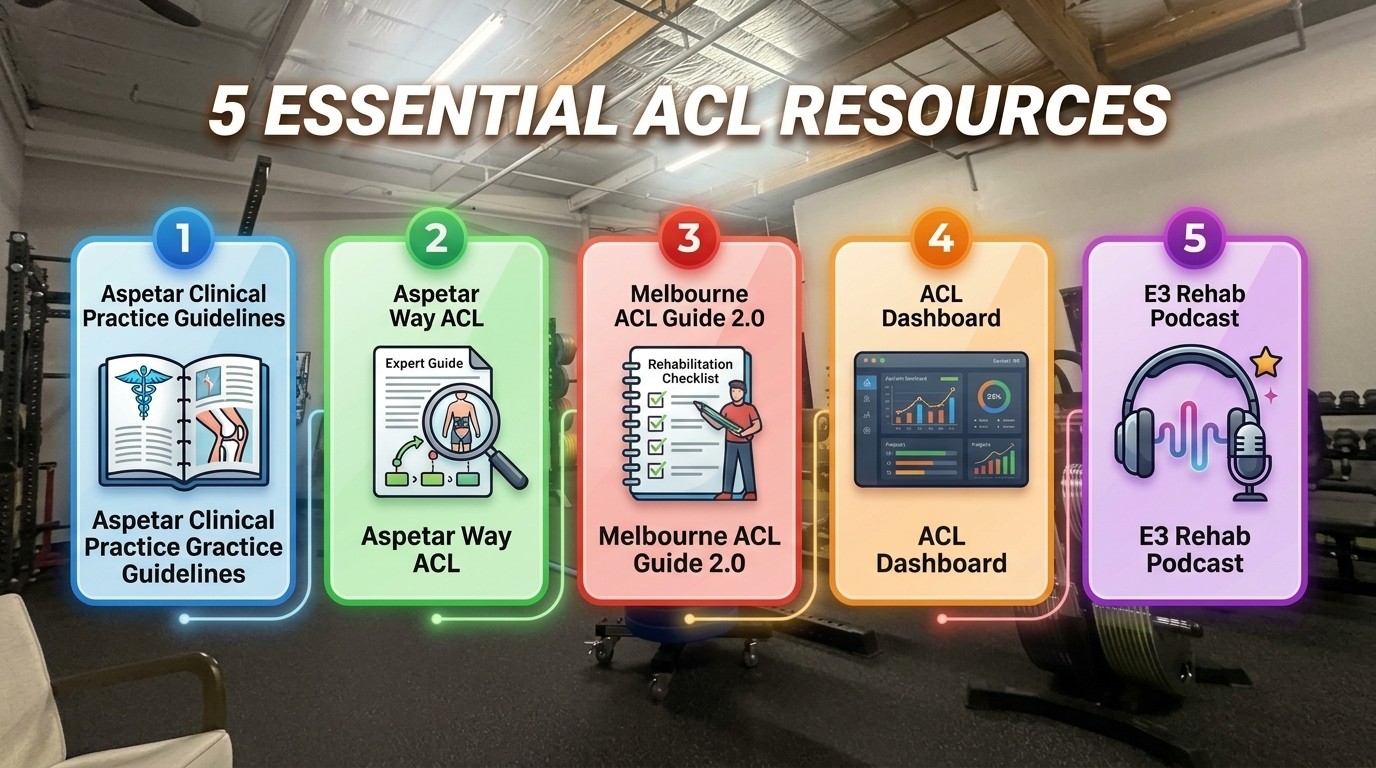
Your ACL Recovery Toolkit: 5 Free Resources Every Patient Should Know About
Sep 23, 2026
By
Dr. Mike Makher
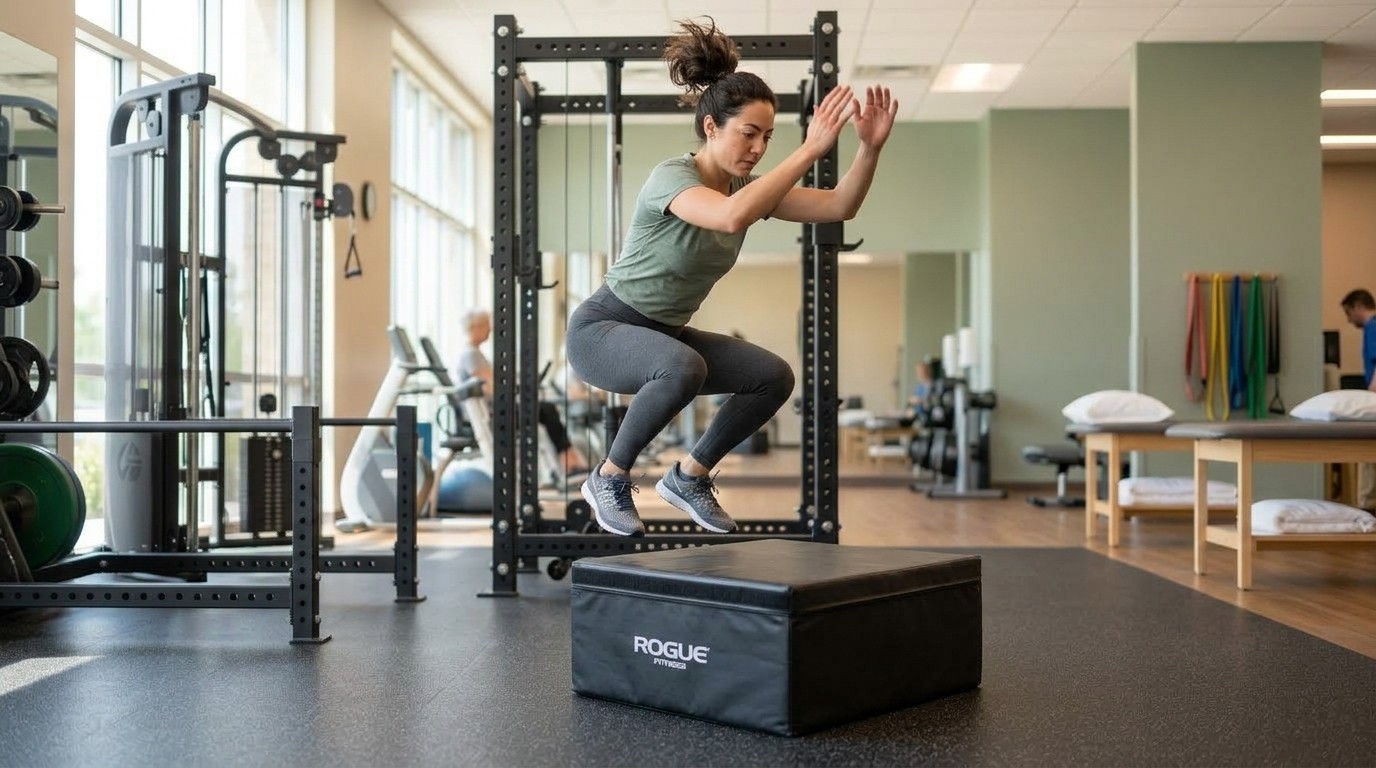
What New Research on Achilles Tendon Recovery Means for Both of Your Legs
Sep 21, 2026
By
Dr. Mike Makher
What New Knee Research Means for Patients in Hillsboro, Beaverton, Aloha, and Nearby Towns
Sep 6, 2026
By
Dr. Mike Makher